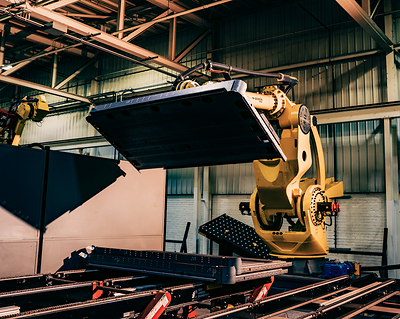
Acieta Manufactures New Identity: Factory Automation Demands Physical Proof
Complete brand refresh signals that automation leaders now compete on presence, not just performance—unified platform requires collateral architecture across four channels.
Acieta LLC, a Gold-tier factory automation manufacturer, has rebuilt its brand identity from platform to packaging. The refresh unifies messaging across sales environments, technical documentation, client facilities, and executive spaces. This matters because automation vendors historically competed on ROI and throughput. Acieta's move signals a sector shift: buyers now evaluate partner credibility through physical and verbal consistency. A factory floor operator sees the same brand discipline in the control room manual, the sales presentation, the executive gift, and the facility signage. That coherence manufactures trust in environments where downtime costs thousands per minute.
What This Shift Signals for Branded Presence
Factory automation clients—automotive OEMs, pharmaceutical manufacturers, food processors—operate under extreme scrutiny. Their own boards demand vendor accountability. When Acieta manufactures a unified identity, they're producing evidence of organizational discipline. The collateral refresh isn't decoration. It's operational assurance imprinted on every client touchpoint. New packaging for technical products, executive merchandise for board-level introductions, and standardized collateral for facility visits all communicate the same proposition: this vendor controls process, detail, and commitment. Clients keep these branded objects longer in automation environments because they function—they're reference materials, not disposables.
Where the Infrastructure Layer Breaks
Most automation vendors refresh their website and call it done. Acieta's unified platform demands four parallel infrastructure layers: sales collateral (specs, one-sheets, capabilities decks that hold their own against a client's procurement standards); packaging and technical documentation (branded objects that survive factory conditions—moisture, temperature variance, heavy handling); executive-tier merchandise (items that sit on a manufacturing VP's credenza for two years, not two weeks); and facility signage and environmental graphics (the brand as experienced by operators, technicians, and visiting board members). Each layer requires different vendors, different production timelines, different durability standards. Most companies optimize one layer and neglect the rest. The identity gaps show immediately to a trained buyer.
What Operators Do in This Window
When a major vendor announces a brand refresh, operators have 60 to 90 days before the new platform fully deploys. This is when procurement leads and CMOs can establish preferred-vendor relationships with the manufacturer's collateral and identity partners—before the refresh calcifies and vendor lock-in occurs. Smart operators inventory what Acieta will need: How many sales presentations annually. What packaging specifications (moisture barrier, thermal range, barcode standards). Which executive gifts carry weight in their client's boardroom. Then they position capacity and timeline now, before every vendor tries to refresh simultaneously. The operator who moves first manufactures scarcity.
Acieta's move also signals which clients matter most. Watch where they invest in physical presence first: technical documentation suggests they're defending against commoditization; executive merchandise suggests they're targeting board-level conversations; facility graphics suggest they're building longer sales cycles. Each choice maps to different buyer psychology and different collateral needs.
Closing
Brand identity infrastructure at this scale isn't cosmetic. It's operational security. When a factory automation leader manufactures a unified platform, they're betting that consistency across four physical environments will outrank competitors who still operate in silos. The way this gets handled is systematic: map the vendor's actual deployment sequence, position early with the infrastructure partners they'll need, and establish the collateral standards before they're standardized.
Editorial & Disclosure Notice: This article was written with artificial intelligence from public sources and is published without individual human review. Artificial intelligence and other digital tools are also used for research, analysis, editing, formatting, and production. Errors, omissions, outdated information, or inaccuracies may occur. References to companies, brands, products, services, organizations, or individuals are for informational and editorial purposes and do not imply endorsement, sponsorship, affiliation, partnership, or approval unless expressly stated. All trademarks and other intellectual property remain the property of their respective owners. Opinions, analysis, estimates, and commentary are informational only and should not be construed as financial, investment, legal, tax, medical, procurement, or other professional advice. Information may be corrected, clarified, or updated after publication. Corrections or removal requests: jenny@pops4.com.