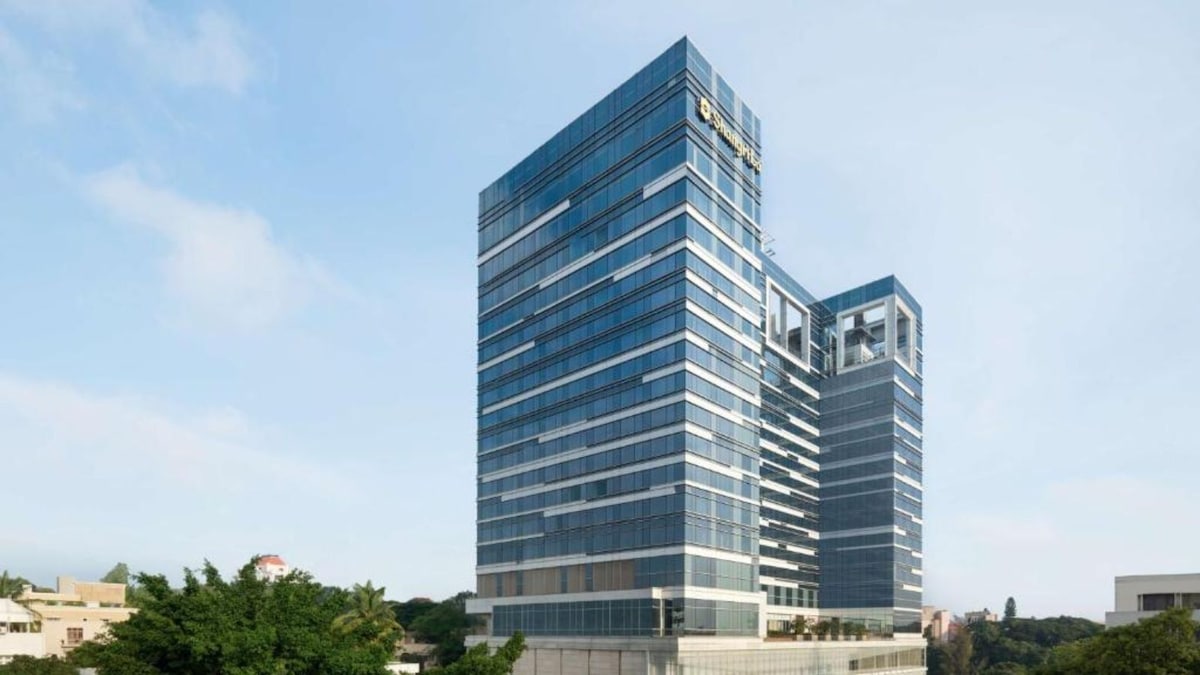
Shangri-La Bengaluru Sheds Flag, Becomes ARTEZIA Under Direct Ownership
A 397-key luxury property de-flags and manufactures a new identity—signaling what branded infrastructure demands when operators own the entire house.
Alekhya Property Developments has removed the Shangri-La flag from its Bengaluru property and rebranded the asset as ARTEZIA. The move marks a structural departure from management-contract relationships and puts identity manufacture—packaging, amenities, wayfinding, guest communication objects—squarely into the owner's operational wheelhouse. For a 397-key luxury property, this is not cosmetic. The transition imprints every surface of the guest experience and sets a 24-month runway to establish new brand recognition in a competitive market where India's ultra-luxury segment keeps pace with regional counterparts in Singapore, Dubai, and Bangkok.
What the move signals for physical presence
De-flagging a property of this scale is rare. It signals confidence in the owner's ability to manufacture and sustain a branded identity without corporate hotel infrastructure behind it. ARTEZIA now owns its visual language, its service protocols, its guest objects—the things that used to come from Shangri-La's playbook. This requires deliberate investment in what gets imprinted: linens with house marks, bathroom amenities in branded vessels, stationery systems, signage architecture, staff uniforms, and the objects placed in guest rooms that communicate who operates this house. The property must now compel guests through its own identity layer, not through Shangri-La's 60-year equity.
For a luxury property, this is where brand becomes material. Guests evaluate hospitality through objects they keep, wear, and photograph. Amenity bottles, room keys, notepads, gift items, packaging for turndown service—these are not afterthoughts. They are the evidence guests carry home. Alekhya is building from zero on all of this.
Where the identity infrastructure window opens
The 24-month runway from de-flag to fully imprinted property is the procurement window. During this phase, Alekhya must establish vendor relationships for: branded objects that populate guest rooms and public spaces; packaging systems that reflect the property's market position; wayfinding and environmental graphics; staff identity (uniforms, name badges, service objects); guest amenities that differentiate rather than commoditize; and F&B branded objects (glassware, bottle service, gift items for their restaurant and bar programs).
Experienced operators in this position do three things now. First, they map every physical touchpoint a guest encounters in 48 hours on property and specify what gets branded. Second, they establish vendor protocols early—sourcing, lead times, quality control—because luxury hospitality cannot absorb delays or variance in branded objects. Third, they note where the brand identity becomes distinctly local. ARTEZIA's advantage sits in its Bengaluru location and Alekhya's ownership intent; the identity should reflect what that means rather than importing a generic luxury template.
What CMOs and procurement leaders should act on now
For heritage-house CMOs and Chiefs of Staff, de-flagged properties represent a rare procurement event. The property is 18-24 months into building its identity layer, which means vendor relationships are still forming. Timing matters. Alekhya will be evaluating partner capability in design, manufacturing, logistics, and brand consistency across multiple object categories. The window for heritage suppliers to establish credibility as premium-object manufacturers for this property is now.
For event planners and VP Premium Sales at the property, the rebranding is also an asset. ARTEZIA's newness—its unwritten identity, its owner-operated structure—becomes a story to sell to corporate retreats, destination events, and high-net-worth individual bookings that value exclusivity over franchise recognition. The property is a blank canvas for programmatic events. Groups book properties that have not yet solidified their identity, because customization becomes the offering.
The way this gets handled
ALEKHYA's transition from managed asset to owner-operated branded property requires discipline across procurement, design, and operational execution. The branded infrastructure—the objects, systems, and visual language that imprint the guest experience—is not secondary to service delivery. It is delivery. When a property owns its identity, every object becomes part of the brand promise, and every vendor decision cascades across the guest experience for years. This is the caliber of work the way this gets handled.
Editorial & Disclosure Notice: This article was written with artificial intelligence from public sources and is published without individual human review. Artificial intelligence and other digital tools are also used for research, analysis, editing, formatting, and production. Errors, omissions, outdated information, or inaccuracies may occur. References to companies, brands, products, services, organizations, or individuals are for informational and editorial purposes and do not imply endorsement, sponsorship, affiliation, partnership, or approval unless expressly stated. All trademarks and other intellectual property remain the property of their respective owners. Opinions, analysis, estimates, and commentary are informational only and should not be construed as financial, investment, legal, tax, medical, procurement, or other professional advice. Information may be corrected, clarified, or updated after publication. Corrections or removal requests: jenny@pops4.com.