Freshworks Refresh 2026: Enterprise SaaS Signals Physical Brand Layer Shift
Analyst-led product evolution event requires infrastructure for premium customer and partner engagement—a structural signal for identity architecture at scale.
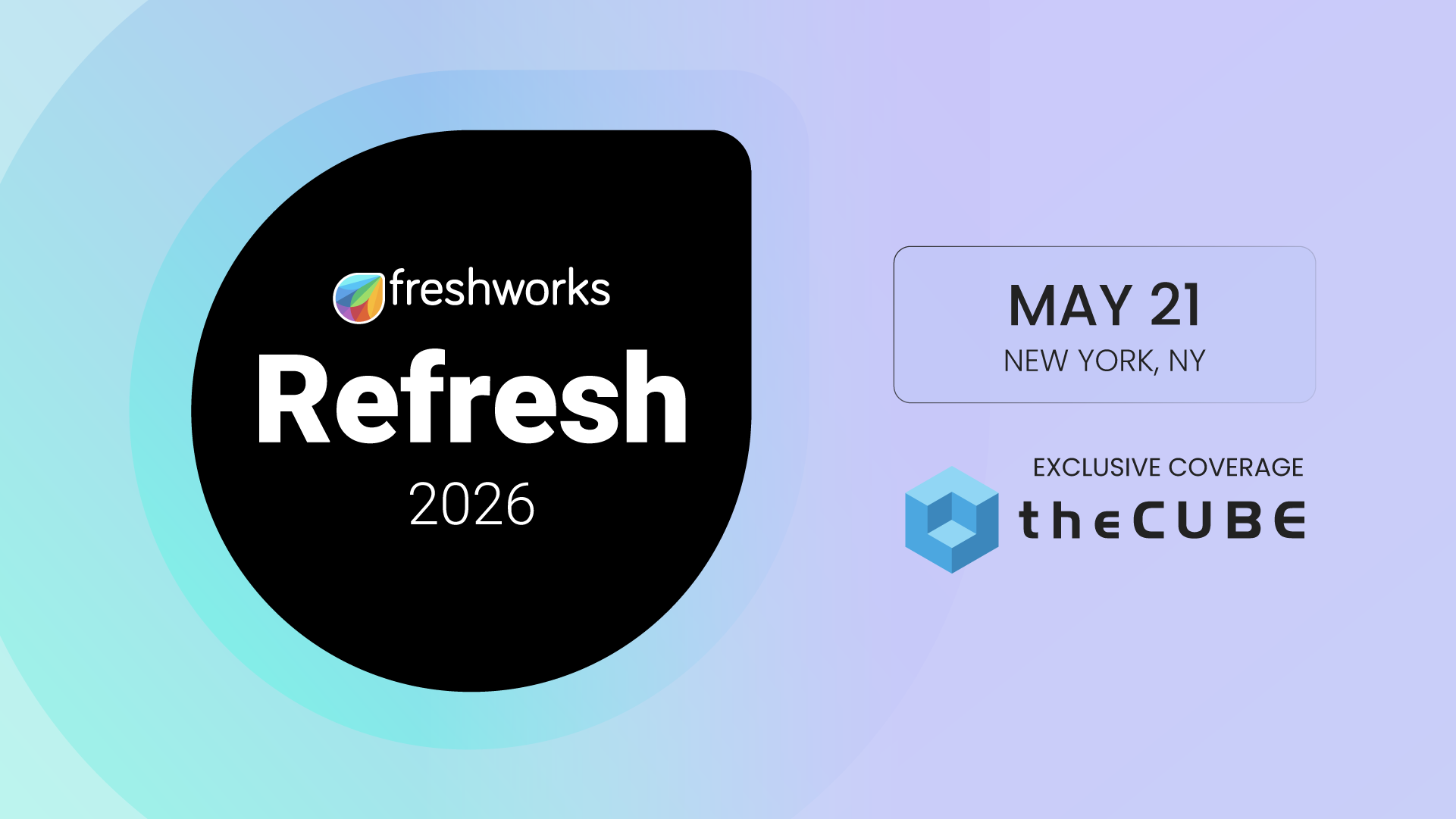
Freshworks announced Refresh 2026 as an analyst-driven coverage event that broadcasts product evolution and market strategy refresh across its cloud-based business software portfolio. The company serves mid-market and enterprise operations across customer service, sales, HR, and IT management—segments that demand consistent, credible touch points at the relationship level. This is not a product launch announcement. This is a market repositioning event, which means the brand infrastructure required to support it extends far beyond the digital narrative.
What the Announcement Signals
A product and brand evolution event of this scale indicates internal consensus: the market positioning is shifting. Freshworks moves from challenger-brand awareness into trusted-operator territory. When a SaaS enterprise signals this kind of structural refresh, it typically means three things are happening simultaneously. First, the customer base has matured—they are now stakeholders in enterprise decision-making, not early adopters. Second, the partner ecosystem has hardened—channel partners, integrators, and resellers require credible, durable engagement materials that position them as vetted authorities. Third, the analyst relation layer has become strategic—Gartner, Forrester, and industry-specific analysts are now primary distribution channels for market perception.
Each of these constituencies expects physical branded objects to imprint brand positioning. Not decoration. Not transaction tokens. Objects that keep the relationship and signal professional stature.
Where Identity Infrastructure Becomes Critical
The window between event announcement and analyst attendance is 90 to 180 days. In that window, Freshworks manufactures its market presence through three layers: digital narrative, spoken engagement, and the physical objects that remain on analyst desks, in partner boardrooms, and inside customer offices after the event concludes.
Most SaaS companies underestimate this third layer. They produce generic or hastily assembled branded objects that contradict the precision of their software. A partner who receives a cheaply imprinted notebook before attending a premium analyst event reads a signal: this company's market positioning is inconsistent. By contrast, a partner who receives a house-imprinted, durable object—one that carries weight, finish quality, and intellectual propriety—understands that the company invests in its own credibility.
Freshworks serves operators (customer service leaders, sales directors, IT managers) who keep branded objects on their desks because those objects represent work systems. The branded identity infrastructure must match that practical dignity. Heavy stock, restrained design, clear imprint of the Refresh 2026 event date and Freshworks positioning. Not a gimmick. A kept thing.
What Operators Do in This Window
Experienced operators move now. The event is announced; the analyst calendar is opening. The chief of staff or VP of partner engagement at a heritage SaaS house knows that procurement for physical branded objects—the items that will be distributed at Refresh 2026—begins 120 days before the event date. Supply chain, design approval, imprinting quality assurance, and fulfillment logistics cannot compress without cost or risk.
The operator who waits until 60 days before the event will either overpay for expedited production or settle for lower quality. The operator who secures vendor partnerships, design direction, and production timelines now—while analyst registration is still opening—manufactures advantage. The branded objects distributed at Refresh 2026 will be read as signals of how seriously Freshworks takes market repositioning. That reading begins with procurement discipline, not creative ambition.
This is the way this gets handled at the house level: understand the event calendar, map the stakeholder touch points, design the physical layer to match the market signal, and execute procurement on the actual timeline, not the optimistic one.
Editorial & Disclosure Notice: This article was written with artificial intelligence from public sources and is published without individual human review. Artificial intelligence and other digital tools are also used for research, analysis, editing, formatting, and production. Errors, omissions, outdated information, or inaccuracies may occur. References to companies, brands, products, services, organizations, or individuals are for informational and editorial purposes and do not imply endorsement, sponsorship, affiliation, partnership, or approval unless expressly stated. All trademarks and other intellectual property remain the property of their respective owners. Opinions, analysis, estimates, and commentary are informational only and should not be construed as financial, investment, legal, tax, medical, procurement, or other professional advice. Information may be corrected, clarified, or updated after publication. Corrections or removal requests: jenny@pops4.com.