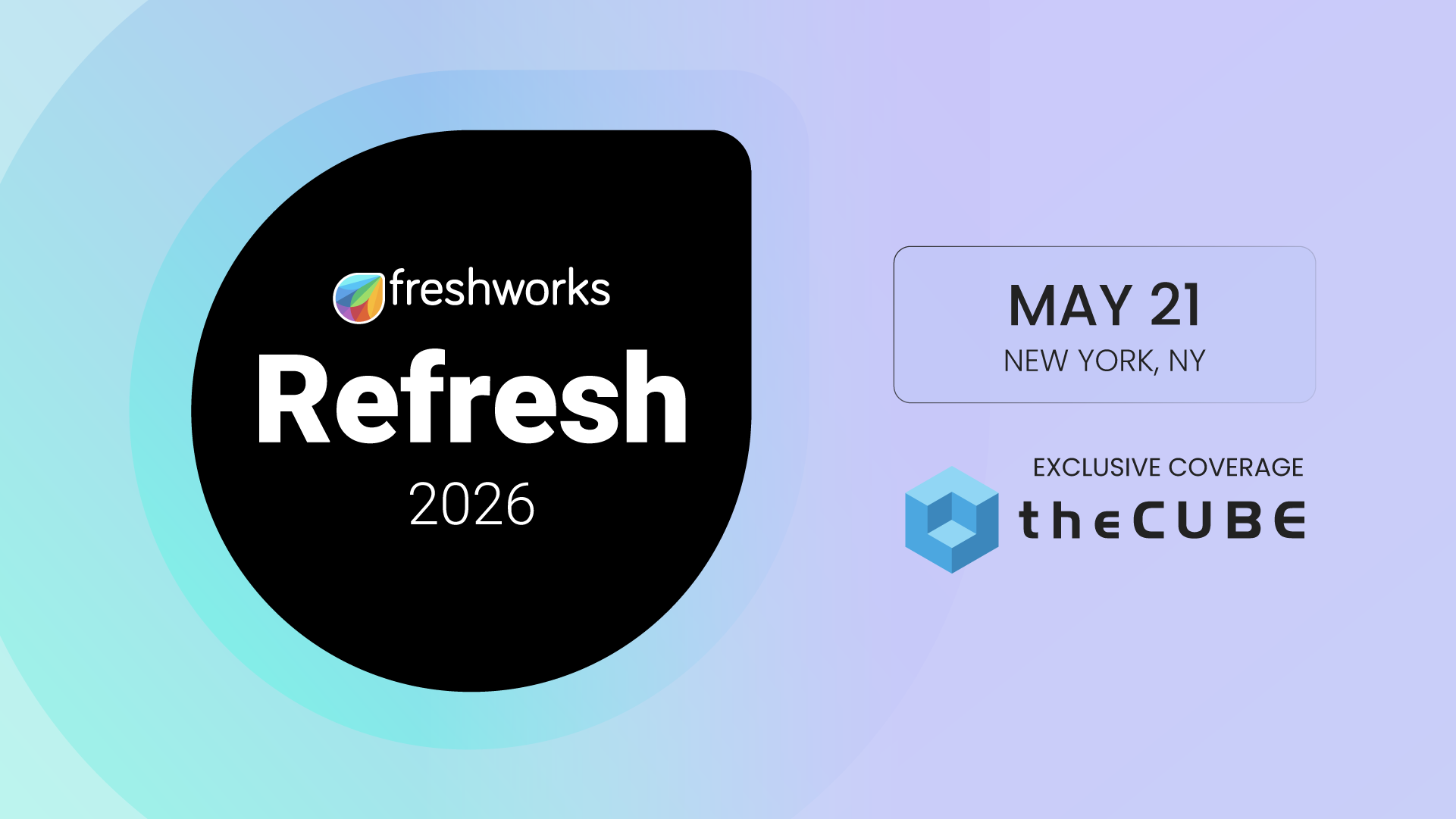
Freshworks Refresh 2026: Enterprise Software Recodes Its Market Seat
Software infrastructure company signals comprehensive brand repositioning and analyst-led go-to-market reset, requiring operators to examine identity presence across all customer touchpoints.
Freshworks announced Refresh 2026 this week—a deliberate signal that the enterprise software house is moving its market position. This is not a cosmetic update. The company is executing simultaneous product architecture changes, brand nomenclature shifts, and analyst-facing repositioning. For principals and operators watching capital allocation in the software infrastructure space, this move tells a story about competitive pressure, customer expectation drift, and the cost of staying visible when analyst consensus shifts.
Freshworks built its early reputation on accessibility—software that enterprises could implement without consultant overhead. The company moved upmarket steadily. Now, at scale, it competes against entrenched players with deeper analyst relationships and more established customer narrative control. Refresh 2026 is the company's effort to displace that narrative. It requires resetting how customers, prospects, and analysts receive information about what the company does and why it matters. That infrastructure—the objects, events, environments, and documented identity systems that reinforce the new positioning—becomes the operational requirement.
What the repositioning signals for physical and identity presence
When an enterprise software house initiates a refresh at this tier, three things happen simultaneously: product messaging changes, go-to-market collateral must shift, and the physical environments where customers and prospects encounter the brand must reflect the new positioning. Freshworks will imprint new identity systems across sales presentations, customer success documentation, event environments, and analyst briefing materials. Every object that carries the brand—from the printed leave-behind in a boardroom to the environmental graphics in a customer advisory board setting—must reinforce the same positioning story.
This is where most companies stumble. They update the logo and website, then fail to manufacture the secondary and tertiary identity infrastructure that operators actually encounter. The business cards, the presentation folders, the event signage, the customer gift objects—these keep the old story alive while the company tries to broadcast a new one. Operators managing this transition must conduct an inventory of all branded objects in circulation and map a phased replacement schedule. The window is short. Misalignment between the narrative and the physical environment signals inconsistency to the people who make buying decisions.
Where the operator window opens and what experienced houses do
Freshworks is now in a 12-to-18-month window where they will manufacture new identity infrastructure, re-imprint all customer-facing materials, and redesign event experiences. For operators—premium sales leaders, CMOs at heritage houses, and event planners managing $250K+ customer experiences—this is the moment to understand the company's new positioning before it lands in the market. Read the analyst reports. Attend the Refresh 2026 event if you manage customer relationships in the software infrastructure space. Note what messaging has changed. Then ask: does our own branded identity infrastructure support the same story, or are we still operating from the old competitive map.
Operators who manage customer advisory boards, user conferences, or executive briefing centers should examine whether Freshworks' new positioning creates a narrative alignment opportunity for their own house. If the company is repositioning toward a different buyer persona or use case, your event environment, collateral, and gift strategy may need to shift to reflect that. The houses that move fastest in these windows are the ones that imprint new branded objects and environments before the old narrative is fully out of the market.
What principals track when vendors reset their identity
For single-family office principals and chiefs of staff, a refresh of this scale at a software vendor signals something about the vendor's financial health and strategic confidence. The company is betting capital on repositioning rather than incremental improvement. That is a read on market conditions and competitive posture. If Freshworks is a tool in your operational stack or a vendor relationship you oversee, this is a moment to revisit the contract, the implementation timeline, and whether the vendor's new direction aligns with your own strategic direction. The refresh will come with new pricing models, new customer success structures, and new analyst-facing claims. That reshaping affects your relationship, even if you are a longstanding customer.
The way this gets handled—the speed of identity infrastructure imprinting, the coherence of messaging across events and objects, the clarity of the narrative in every customer touchpoint—determines whether the refresh lands as a credible repositioning or as noise in an already crowded software infrastructure market.
Editorial & Disclosure Notice: This article was written with artificial intelligence from public sources and is published without individual human review. Artificial intelligence and other digital tools are also used for research, analysis, editing, formatting, and production. Errors, omissions, outdated information, or inaccuracies may occur. References to companies, brands, products, services, organizations, or individuals are for informational and editorial purposes and do not imply endorsement, sponsorship, affiliation, partnership, or approval unless expressly stated. All trademarks and other intellectual property remain the property of their respective owners. Opinions, analysis, estimates, and commentary are informational only and should not be construed as financial, investment, legal, tax, medical, procurement, or other professional advice. Information may be corrected, clarified, or updated after publication. Corrections or removal requests: jenny@pops4.com.