Freshworks Refresh 2026: Platform Reset Demands Identity Layer Rebuild
A major product and messaging overhaul signals that SaaS operators need to manufacture physical presence infrastructure before the event window closes.
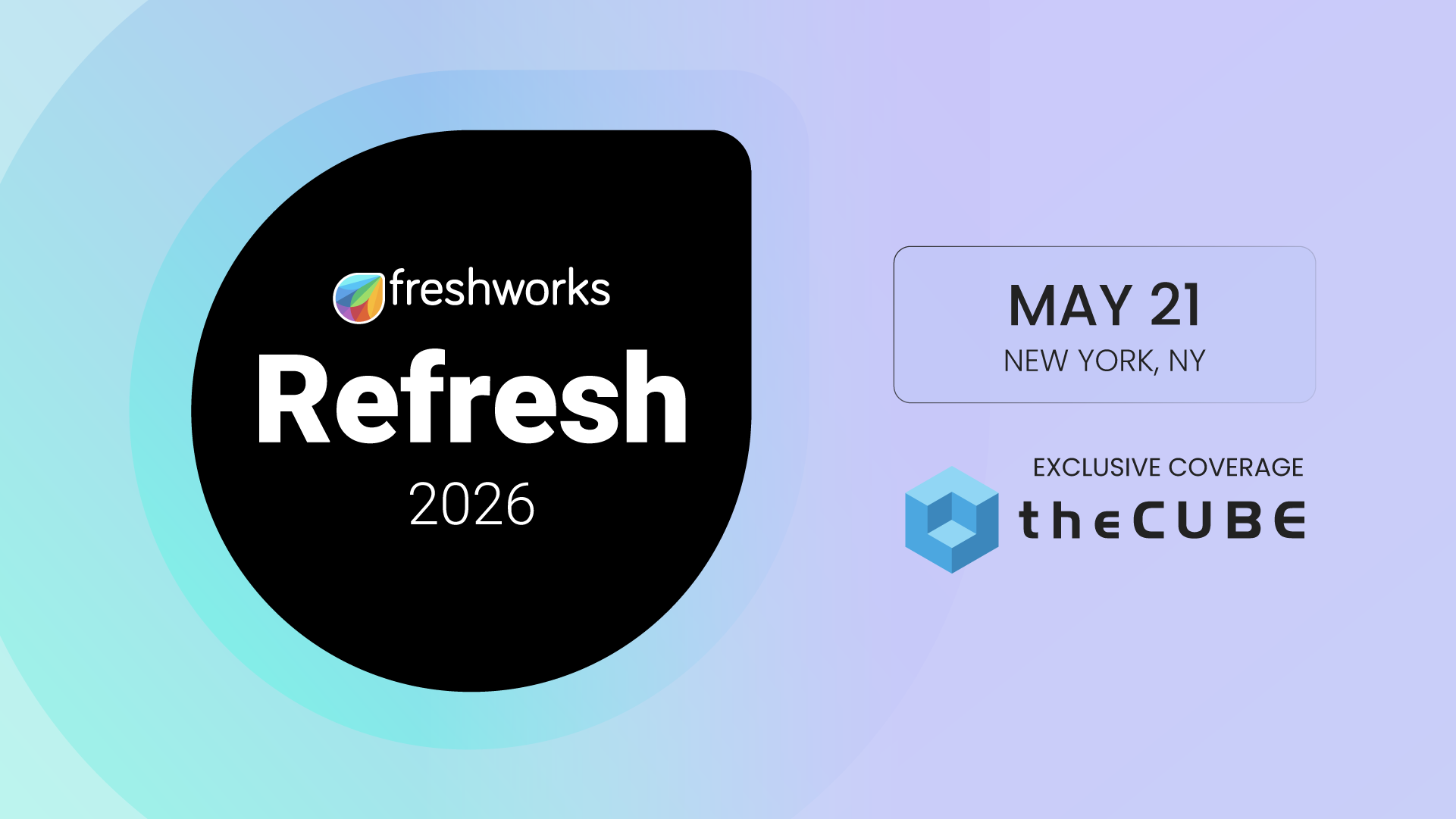
Freshworks announced Refresh 2026 as a substantial platform and go-to-market evolution. The company is repositioning its cloud-based business software across product messaging, user experience, and market positioning. For a business-software platform at this scale, a refresh of this scope means the brand architecture itself is being examined and reset. The event—positioned as the public statement of that reset—will draw operators, decision-makers, and prospects who expect the physical and branded environment to match the messaging discipline of what they're being shown on stage.
What the refresh signals about branded presence
When a SaaS platform manufacturer calls an event a "refresh," they are announcing a new visual identity system, repositioned value propositions, and often a restructured go-to-market narrative. Freshworks is not launching a new product; it is reorienting how the existing platform is perceived and positioned in market. That reorientation extends beyond slides and copy. It reaches into how the brand manufactures presence in physical space—how materials are imprinted, how objects are kept in attendee hands and offices, how packaging produces a coherent signal about the brand's discipline and market tier.
For heritage-house CMOs and event operators, this is the moment when branded identity infrastructure becomes non-negotiable. Attendees will note whether the environment, materials, and objects they encounter in person reflect the coherence of the messaging they absorbed digitally. A disconnect between the narrative and the physical environment signals confusion at leadership level. A coherent signal—from entry materials through premium packaging through take-home objects—imprints the message at a deeper cognitive layer than any slide deck alone can achieve.
Where the identity layer must be built
The window between announcement and event execution is narrow for infrastructure of this weight. Branded objects must be sourced, imprinted, and tested. Premium packaging must be designed and manufactured. Entry sequences and environmental materials must be produced and staged. None of this work happens in weeks; it requires three to four months of procurement, design iteration, and quality control to reach the standard that principals and their operations teams expect to see.
Freshworks is signaling that the brand is moving ahead of its previous market position. The physical environment at Refresh 2026 must reflect that movement. This means selecting materials, manufacturing processes, and object types that read as deliberate, disciplined, and positioned upmarket. Cheap paper read as cost-cutting. Commodity objects read as afterthought. Imprinted materials that lack craft signal that leadership did not attend to detail. Experienced operators understand that what attendees take home—and what sits on their desks or in their bags for weeks afterward—carries more weight than what they hear once on stage.
What principals and operators do in this window
Chiefs of Staff managing budgets for vendor relationships or event sponsorships should note that the cost of branded infrastructure at Refresh 2026 is not a line-item expense; it is a market-positioning investment. The principal question is whether Freshworks' presence in the market will be strengthened or weakened by the physical experience. That calculation determines the budget tier and the vendor tier required to manufacture it.
VP Premium Sales and heritage-house CMOs should be mapping the attendee journey now—who arrives, what they encounter before the main stage, what materials enter their hands, what objects they depart with. That map drives the selection of object types, packaging, and imprinting specifications. Event planners at this tier understand that Refresh 2026 is not a one-day occurrence; it is a 90-day manufacturing and staging project that begins in the procurement phase.
This is the way this gets handled: with advance planning, disciplined vendor selection, and the understanding that what is manufactured and imprinted in the next eight weeks will be noted and kept by operators in market for months after the event concludes.
Editorial & Disclosure Notice: This article was written with artificial intelligence from public sources and is published without individual human review. Artificial intelligence and other digital tools are also used for research, analysis, editing, formatting, and production. Errors, omissions, outdated information, or inaccuracies may occur. References to companies, brands, products, services, organizations, or individuals are for informational and editorial purposes and do not imply endorsement, sponsorship, affiliation, partnership, or approval unless expressly stated. All trademarks and other intellectual property remain the property of their respective owners. Opinions, analysis, estimates, and commentary are informational only and should not be construed as financial, investment, legal, tax, medical, procurement, or other professional advice. Information may be corrected, clarified, or updated after publication. Corrections or removal requests: jenny@pops4.com.