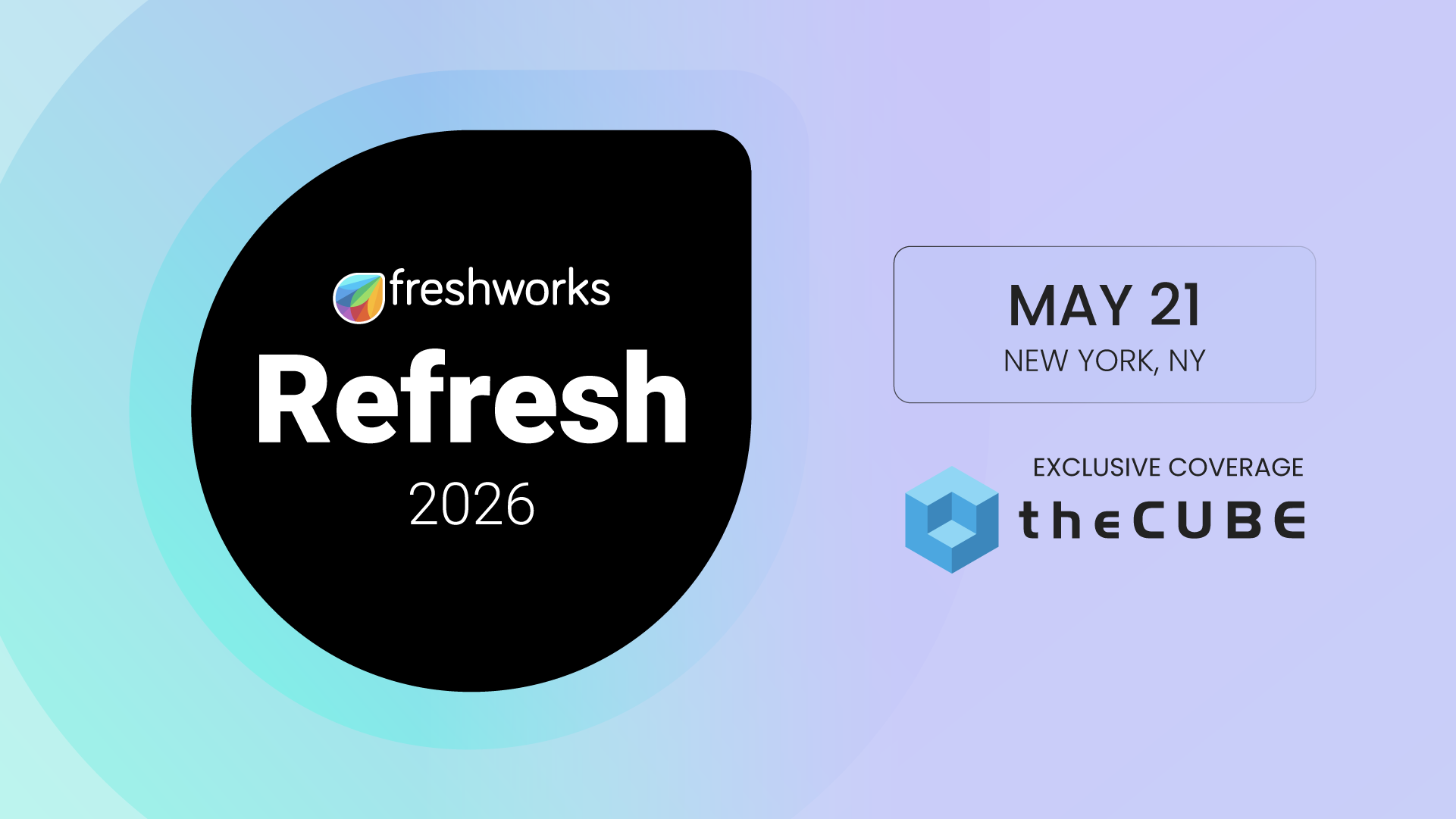
Freshworks Refresh 2026: When Product Launch Becomes Identity Test
The SaaS vendor's analyst-facing conference signals a critical window for branded infrastructure that moves beyond the conference floor.
Freshworks has scheduled Refresh 2026 as a product-positioning event with analyst coverage. This is not a regional user summit. This is a structured moment when a vendor with global customer reach manufactures presence at scale—and when the physical and branded objects that move through that event become the first proof that product positioning has landed in the market's hands.
What matters here is the compression. A major SaaS conference requires materials infrastructure—credential systems, engagement packages for tier-one prospects, printed collateral that survives analyst briefings, objects that travel home in executive briefcases and stay on desks for months. The window to design and produce that infrastructure is measured in weeks, not months. The company that moves first—that notes what the analyst audience expects, what the prospect tier demands, what the venue itself requires—controls whether Refresh 2026 feels like a vendor moment or a market inflection.
What the Conference Signals About Freshworks' Position
Analyst-led coverage means Freshworks is not chasing user adoption at this event. They are imprinting positioning into the infrastructure of how the market thinks about them. Gartner, Forrester, and the mid-market advisory shops will brief investors, boards, and procurement teams on what they saw and held in their hands at Refresh 2026. The branded objects they carry—the credential systems, the printed materials, the engagement packages—become proof that the positioning is not aspirational. It is kept. It is manufactured into the physical record.
For a SaaS vendor at this scale, that credibility layer has been displaced by other vendors before. Freshworks is signaling they understand this: the analyst audience does not care about digital touchpoints at the conference. They care about what they can take, touch, and reference weeks later. The materials infrastructure must be disciplined enough that it outlasts the event.
Where the Identity Layer Requires Immediate Attention
The branded infrastructure for Refresh 2026 breaks into three zones: the credential and access layer (how prospects move through the conference and identify as tier-one); the engagement package (what they receive and keep); and the retail branded objects (what they carry home and what sits on desks). Each zone has a different timeline and production requirement.
Credential systems alone require 4–6 weeks from design to print, security imprinting, and distribution logistics. Engagement packages for analyst briefings—printed collateral, bound research, house-imprinted objects—require a separate 5–8 week production window. Branded objects meant to travel (notebooks, writing instruments, desk items) require 6–10 weeks lead time from design approval to delivery. None of these can overlap with the others. A principal or Chief of Staff overseeing this event knows that a single missed specification in the credential system creates cascading delays in the other two zones.
Freshworks must also decide what gets imprinted versus what gets produced as commodity. A credential holder is imprinted. A notebook is produced. A research folder is printed. Each requires a different vendor relationship and timeline. The operator who has run this before—the VP Premium Sales or heritage-house CMO who has managed analyst events at this scale—knows that the credential system and the engagement package must be locked in design by week one, or the event runs with materials that feel rushed.
What Experienced Operators Do in This Window
The principals and operators who handle branded identity infrastructure at this tier do three things immediately. First, they appoint a single point of accountability for materials specification—a role that does not exist in most SaaS companies. Second, they lock the analyst tier list and the prospect tier list before any design begins. The materials infrastructure changes based on who sits in the room. Third, they note what the previous three analyst events produced, what traveled, what was discarded, and what lived on desks. That data imprints the next event's design.
Freshworks has moved from regional user conferences to analyst-facing product launches. That tier shift requires a different branded identity infrastructure—one that assumes every object will be photographed, referenced, and kept. The way this gets handled determines whether Refresh 2026 becomes a vendor moment or a market signal.
Editorial & Disclosure Notice: This article was written with artificial intelligence from public sources and is published without individual human review. Artificial intelligence and other digital tools are also used for research, analysis, editing, formatting, and production. Errors, omissions, outdated information, or inaccuracies may occur. References to companies, brands, products, services, organizations, or individuals are for informational and editorial purposes and do not imply endorsement, sponsorship, affiliation, partnership, or approval unless expressly stated. All trademarks and other intellectual property remain the property of their respective owners. Opinions, analysis, estimates, and commentary are informational only and should not be construed as financial, investment, legal, tax, medical, procurement, or other professional advice. Information may be corrected, clarified, or updated after publication. Corrections or removal requests: jenny@pops4.com.