Freshworks Refresh 2026: When SaaS Brands Rebuild Their Physical Layer
May 21 analyst campaign signals a company reshaping how enterprise software makers imprint identity into earned media and boardroom presence.
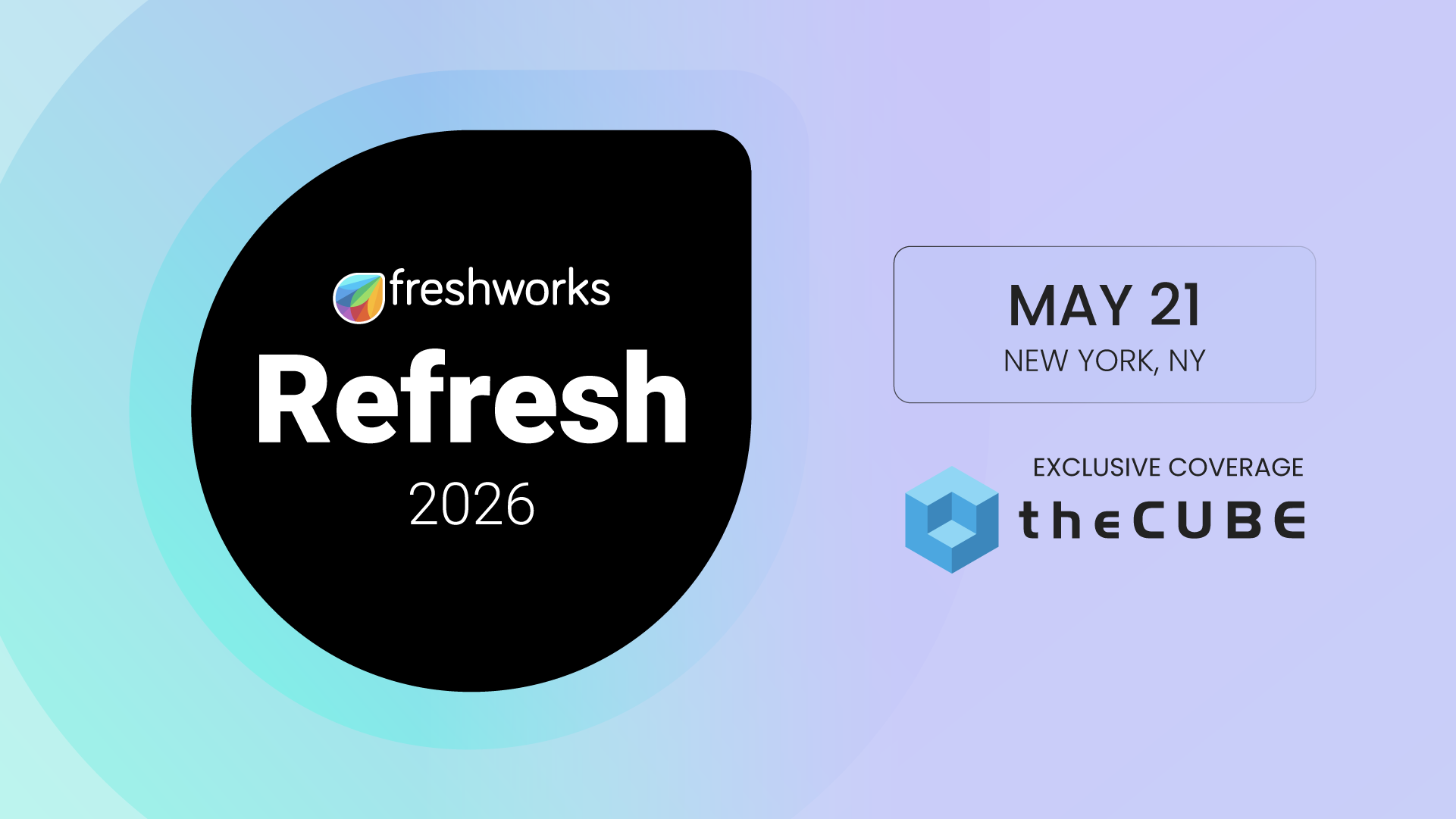
Freshworks has announced Refresh 2026, an analyst-led positioning campaign launching May 21. The timing and scope signal something beyond messaging rehearsal: a brand infrastructure rebuild that moves from digital-first positioning into the physical objects and environments where analyst relations, customer events, and executive conversations happen. This is the moment when SaaS firms discover that positioning only lands when you can hold it.
What the campaign structure reveals
Analyst relations at this scale demands a coherent physical presence. Freshworks is staging media before May 21—briefings, embargoed coverage, event materials. Each touchpoint requires objects that reinforce rather than dilute the positioning. A SaaS refresh campaign that skips this layer reaches analysts through their email and slides through their notebooks. One that manufactures consistency across every artifact—from event signage through leave-behind collateral through packaging for gifted products—imprints the message into memory.
The May 21 analyst broadcast is the finish line, not the start. Everything before it—every briefing folder, every executive dinner setting, every token of respect offered to an analyst covering your space—has been building the story that the broadcast then validates. Freshworks is operating at the scale where this infrastructure matters to market position.
Where the identity layer gets built
Freshworks' previous positioning emphasized accessibility and ease-of-use in customer service software. Refresh 2026 likely repositions the company against larger, more entrenched players—or signals movement up-market, or both. Either way, that shift lives or dies in how it's materialized.
When a software company refreshes, the analyst community first encounters the new story through briefing materials, event experiences, and the quality of objects that accompany leadership conversations. A refresh that lands uses premium materials, restrained color and typography, and production values that signal the company's market maturity. It keeps every object—printed collateral, packaging, event infrastructure—aligned to the new positioning. It does not manufacture generic materials. It imprints discipline.
This is where most SaaS brands fail. The messaging is tight. The event production is solid. But the branded objects—folders, notepads, packaging for gifted items—default to commodity vendors and generic templates. The analyst notices. The CFO notices. The message fractures.
What operators do in this window
For event planners, CMOs, and VP Premium Sales leading the Refresh 2026 execution: the next 8-12 weeks determine whether the positioning holds. You are manufacturing the environment in which the story gets told. Every object—from briefing materials through post-event packaging—either reinforces the refresh or undermines it.
Start by defining what "premium" means for this refresh. Not more expensive. More intentional. What materials, finishes, formats, and production details communicate that Freshworks has moved up-market or shifted its competitive position. Then audit every object: briefing folders, event signage, executive gift packaging, follow-up collateral. Each one either imprints the new story or keeps the old one alive.
This is the work that separates positioned brands from ones that merely announce position. The analysts covering Freshworks will form their opinions not just from what leadership says on May 21, but from the consistency and restraint of every material artifact they encounter before and after.
The way this gets handled determines whether Refresh 2026 lands as market repositioning or as messaging noise.
Editorial & Disclosure Notice: This article was written with artificial intelligence from public sources and is published without individual human review. Artificial intelligence and other digital tools are also used for research, analysis, editing, formatting, and production. Errors, omissions, outdated information, or inaccuracies may occur. References to companies, brands, products, services, organizations, or individuals are for informational and editorial purposes and do not imply endorsement, sponsorship, affiliation, partnership, or approval unless expressly stated. All trademarks and other intellectual property remain the property of their respective owners. Opinions, analysis, estimates, and commentary are informational only and should not be construed as financial, investment, legal, tax, medical, procurement, or other professional advice. Information may be corrected, clarified, or updated after publication. Corrections or removal requests: jenny@pops4.com.