Freshworks Refresh 2026: Enterprise SaaS Signals Physical Identity Layer
A major brand repositioning at enterprise scale requires manufacturers to imprint and distribute architectural pieces that reach decision-makers across product launches and customer engagement windows.
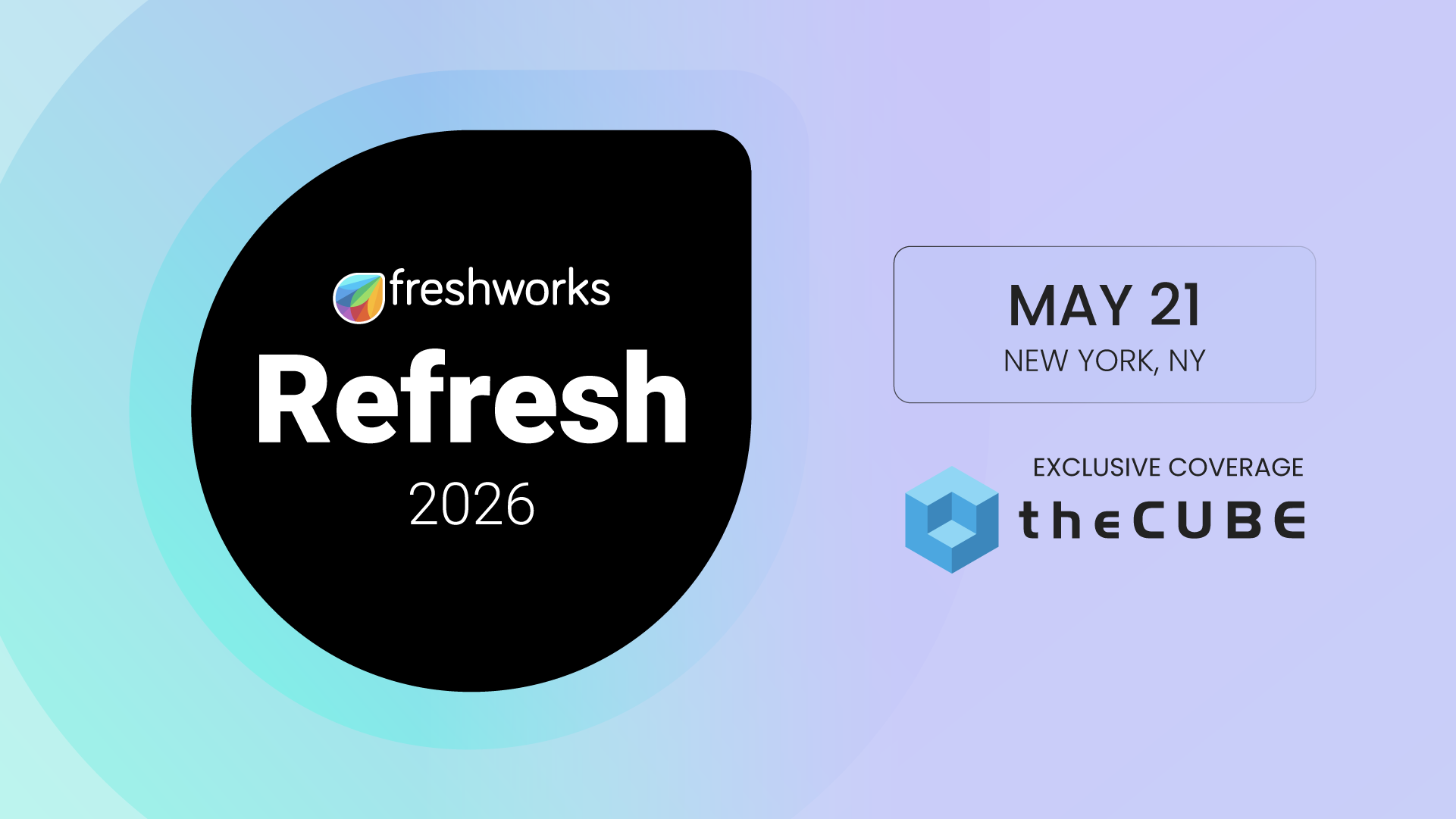
Freshworks has announced Refresh 2026—a significant brand repositioning initiative designed to reflect the software platform's evolution within the enterprise service market. The move signals two things at once: internal transformation and external communication. For a SaaS operator at this scale, a brand refresh is not cosmetic. It is infrastructure work. It requires the physical identity layer—the manufactured objects, packaging systems, and imprinted materials that move brand signal into the hands of CFOs, product officers, and procurement leads who make buying decisions in non-digital moments.
The timing matters. Enterprise buying cycles compress in the 90 days following a public brand announcement. This is when materials must be present: in conference materials, in customer onboarding kits, in the hands of sales teams visiting C-suite offices. Freshworks manufactures software. But the perception of Freshworks—its weight, its permanence, its readiness—is manufactured through the objects that carry its name into boardrooms and partner offices.
What the Repositioning Signals
A brand refresh at this tier does not happen for visual reasons alone. Freshworks has moved. The company has refined its product architecture, sharpened its positioning in the enterprise market, and built new lines of service. The refresh imprints these changes into how buyers perceive the company. It tells the market: we have kept pace. We have outranked our former positioning.
For single-family offices and heritage firms tracking investment exposure in SaaS operators, this is a stability signal. The company is confident enough in its market position to spend capital on brand infrastructure. For event planners, sports team operators, and premium sales officers, this is a window. Freshworks will require materials—high-caliber, restrained, architect-grade materials—that land in customer engagement and premium event contexts over the next 18 months.
Where the Identity Layer Breaks
Most SaaS firms make one structural mistake during repositioning: they produce collateral that speaks to the internal story but fails to work in the hands-on customer moment. They manufacture materials that are too soft, too explanatory, too much about transition and not enough about what the customer now receives.
The opportunity sits here: Freshworks requires imprinted infrastructure that moves the refresh forward without asking the customer to work to understand it. Packaging that proves new capability. Notebooks, credential holders, presentation materials, and event objects that carry the refined brand signal and reinforce product architecture at the same time. This is not promotional distribution. This is identity work that manufactures perception among decision-makers who already know the company and need to be re-oriented to what it now offers.
What Operators Do in This Window
Experienced operators—those running premium sales teams, heritage-house marketing functions, and high-tier event programs—move now. The window is 90 to 120 days. During this period, Freshworks will invest heavily in customer touchpoints, partner conferences, and direct sales acceleration. Materials ordered after day 90 arrive too late to influence the initial perception wave.
The work required is specific. Manufacturers must deliver objects that imprint the refined brand with discipline, that work in enterprise settings, that hold up under scrutiny in the offices and conference rooms where buyers sit. The materials must keep the brand's weight. They must note the change without broadcasting it. They must work in the background of high-stakes customer moments, not dominate them.
This is the way this gets handled—with supplier partnerships established early, production schedules locked, and imprinting quality managed against the standard that applies at the top of the enterprise buyer pyramid.
Editorial & Disclosure Notice: This article was written with artificial intelligence from public sources and is published without individual human review. Artificial intelligence and other digital tools are also used for research, analysis, editing, formatting, and production. Errors, omissions, outdated information, or inaccuracies may occur. References to companies, brands, products, services, organizations, or individuals are for informational and editorial purposes and do not imply endorsement, sponsorship, affiliation, partnership, or approval unless expressly stated. All trademarks and other intellectual property remain the property of their respective owners. Opinions, analysis, estimates, and commentary are informational only and should not be construed as financial, investment, legal, tax, medical, procurement, or other professional advice. Information may be corrected, clarified, or updated after publication. Corrections or removal requests: jenny@pops4.com.