Freshworks Refresh 2026: What Brand Evolution Demands of Identity Infrastructure
A major SaaS repositioning signals the operational window when principals and operators must secure their physical brand layer before the market moves.
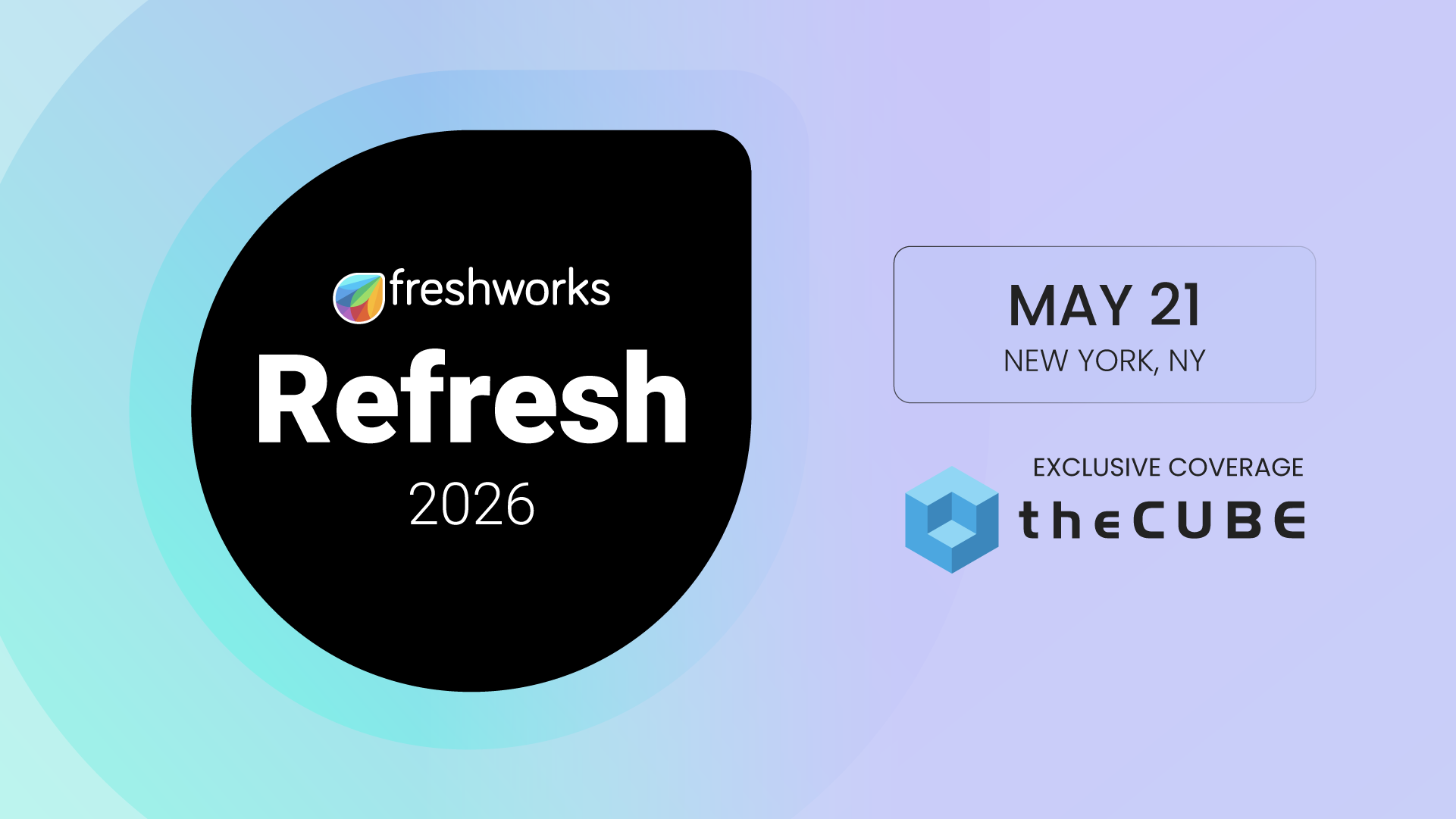
Freshworks Inc. has announced Freshworks Refresh 2026—a deliberate brand narrative repositioning within the service software market scheduled for May launch. The campaign signals more than messaging: it represents a fundamental recalibration of how the company positions itself to enterprise clients, mid-market operators, and internal stakeholders. For principals and their operational teams, this moment is instructive. Major brand evolution always precedes the physical layer. When the story changes, the objects that carry it must be manufactured and imprinted months ahead.
What the repositioning requires operationally
A brand refresh of this scale demands new collateral, conference materials, client engagement packages, and stakeholder touchpoints. Freshworks is signaling to its field teams, reseller networks, and customer success organizations that their existing identity infrastructure—from conference materials to client gifts, from executive presentations to field event activation—will soon be out of alignment with narrative. The company must either produce new materials before May or operate in a gap between story and object, which erodes credibility in premium markets. For a SaaS company with enterprise customers and high-touch sales cycles, that gap is expensive.
The operational implication: Freshworks is now in a window where every sales enablement asset, every client dinner detail, every conference booth presence must be reimagined and produced. This is not a cosmetic update. A refresh at this tier includes new typefaces, color systems, verbal frameworks, and the objects that imprint those frameworks into the hands and spaces of buyers. The lead time for production of bespoke conference materials, client identity packages, and premium collateral is 90-120 days minimum. Freshworks' timeline is compressed.
Where the identity layer becomes the bottleneck
Most companies execute brand refreshes as a communications event—new website, new ads, new deck templates distributed to the field. What separates premium positioning from commodity positioning is what gets manufactured and placed in the physical world. When Freshworks enters client boardrooms, when their executives attend industry conferences, when they send materials to prospects—every object either confirms or contradicts the new narrative.
The risk: field teams operating with old collateral, old conference kits, and old client gifts for 6-9 months after the May launch. This creates a perception gap. Prospects and customers see the new story but receive the old objects. The disconnection signals uncertainty. For a company repositioning in a crowded SaaS market, perception of decisiveness matters as much as the positioning itself.
Principals managing significant software or services investments should note this pattern: brand repositioning without physical infrastructure alignment is a missed lever. The company that manufactures and distributes new identity materials within 60 days of announcement outranks the company that waits for the campaign to "settle" first.
What experienced operators do in this window
Operators at the VP Sales, CMO, and event-planning tier know the opportunity. Freshworks is now actively producing new branded objects, new conference presence materials, and new client engagement packages. For principals with relationships in that ecosystem—whether as vendors, partners, or strategic investors—this is when conversations happen about identity infrastructure, production timelines, and the vendors who can move fast without sacrificing restraint.
The window is 8-12 weeks. After that, the production is locked. Before that, there is still flexibility in how Freshworks' physical brand layer gets built and sourced. Companies that keep their procurement and identity infrastructure partners close during a refresh can ensure their own positioning aligns with the momentum. Operators who wait until June are managing leftovers.
This is how the way this gets handled separates disciplined houses from those that react late.
Editorial & Disclosure Notice: This article was written with artificial intelligence from public sources and is published without individual human review. Artificial intelligence and other digital tools are also used for research, analysis, editing, formatting, and production. Errors, omissions, outdated information, or inaccuracies may occur. References to companies, brands, products, services, organizations, or individuals are for informational and editorial purposes and do not imply endorsement, sponsorship, affiliation, partnership, or approval unless expressly stated. All trademarks and other intellectual property remain the property of their respective owners. Opinions, analysis, estimates, and commentary are informational only and should not be construed as financial, investment, legal, tax, medical, procurement, or other professional advice. Information may be corrected, clarified, or updated after publication. Corrections or removal requests: jenny@pops4.com.