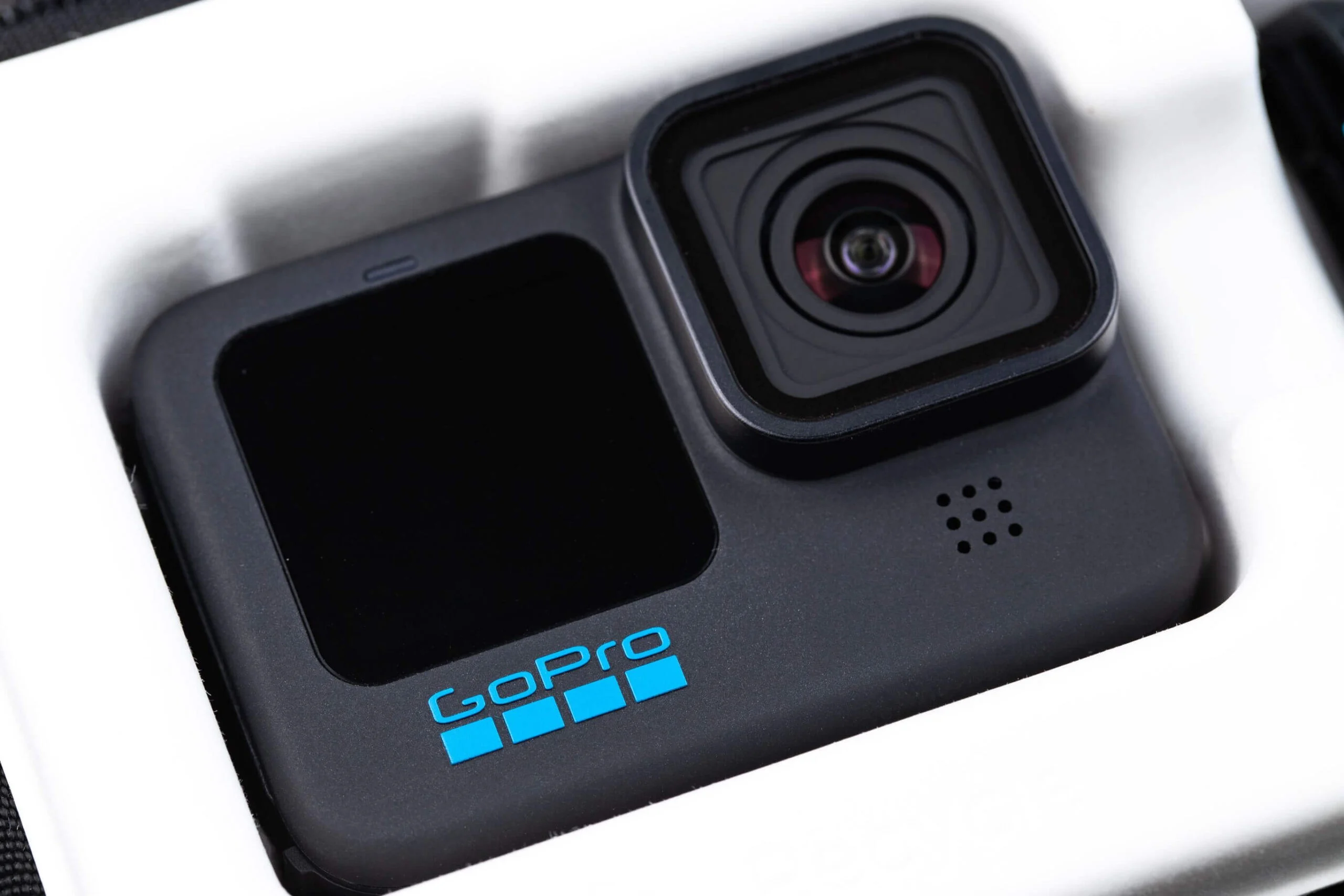
GoPro's Pivot to AI Demands Identity Reinforcement
A $285M merger signals the action-camera maker's shift into data infrastructure—and the critical window to anchor stakeholder trust through physical branded presence.
GoPro stock gained 37% on announcement of its $285M merger with Action Acquisitions, a move that repositions the company away from consumer hardware toward enterprise AI and data center operations. The deal represents a structural pivot: from manufacturing rugged cameras for athletes and content creators to supplying infrastructure that processes visual data at scale. For a brand built on direct customer relationship and tactile product identity, this transition creates a gap between what GoPro manufactures and what investors, enterprise partners, and legacy stakeholders understand the company to be.
What the Move Signals for Brand Architecture
GoPro's shift into data centers and AI processing displaces the company's primary identity marker—the handheld device itself. For twenty years, the GoPro brand was imprinted on physical objects that customers held, mounted, and relied upon in high-stakes moments. That tactile relationship manufactured trust and kept the brand present in customers' operational lives. An AI-and-data-center business model removes that anchor. The company now competes in a sector where branded identity infrastructure is typically invisible: server farms, processing frameworks, API contracts. Enterprise buyers do not mount data centers on their wrists. They evaluate them through contracts, SLAs, and third-party validation.
This absence creates risk. Heritage stakeholders—early investors, content-creator communities, sports teams that imprinted GoPro as part of their operational identity—must be reminded why GoPro remains relevant to their work. The merger announcement alone does not manufacture that continuity. It requires a deliberate architecture of branded objects, documented partnerships, and physical presence at the decision-making tier where single-family offices and premium sports operations consolidate their vendor relationships.
Where the Identity Layer Requires Reinforcement
The window between merger close and enterprise customer acquisition is short. Experienced operators move now to establish GoPro's presence in three zones: boardroom communication, partnership validation, and event-tier visibility. A single family office's Chief of Staff does not read press releases; they receive briefing documents imprinted with house research, case studies, and strategic rationale. Heritage-house CMOs do not accept vendor partnerships through email; they require documented proof of shared operational values, often imprinted across observation decks, advisory councils, and sponsor-tier event presence. Sports teams and premium-event producers make vendor selections based on what they see deployed at championship venues and in media production suites.
GoPro's transition from consumer-visible product to enterprise infrastructure means the brand must be imprinted differently. Instead of cameras visible in stadium broadcasts, GoPro's identity infrastructure must include white-label partnership materials, enterprise briefing objects, documentation systems, and presence at the operational planning tables where data-infrastructure decisions concentrate. Without this, GoPro risks being treated as a generic data-services provider—a displacement that takes their brand-as-identity work and renders it interchangeable with AWS, Azure, or any other processor of scale.
What Operators Do in This Window
The next 90 days determine whether GoPro secures its stakeholder tier or defaults to commodity status. Principals and Chiefs of Staff at single-family offices should request formal partnership documentation from GoPro that articulates the company's competitive position in enterprise visual AI—not promotional summary, but technical and strategic substance. VP Premium Sales and heritage-house CMOs should inventory existing GoPro relationships and make formal outreach to explore new partnership architectures: data-sharing arrangements, co-branded research, event-tier visibility that positions both parties as forward-operating enterprises. Event planners at the $250K+ tier should note GoPro's new operational capability and contact their enterprise-relations team to discuss how the company's data infrastructure might underpin their production, analytics, and stakeholder-communication systems.
The way this gets handled is through deliberate, structured presence—not haste, not generic outreach, but imprinted identity work that keeps GoPro visible and valued across the ecosystems that matter most to its survival in a new market.
Editorial & Disclosure Notice: This article was written with artificial intelligence from public sources and is published without individual human review. Artificial intelligence and other digital tools are also used for research, analysis, editing, formatting, and production. Errors, omissions, outdated information, or inaccuracies may occur. References to companies, brands, products, services, organizations, or individuals are for informational and editorial purposes and do not imply endorsement, sponsorship, affiliation, partnership, or approval unless expressly stated. All trademarks and other intellectual property remain the property of their respective owners. Opinions, analysis, estimates, and commentary are informational only and should not be construed as financial, investment, legal, tax, medical, procurement, or other professional advice. Information may be corrected, clarified, or updated after publication. Corrections or removal requests: jenny@pops4.com.