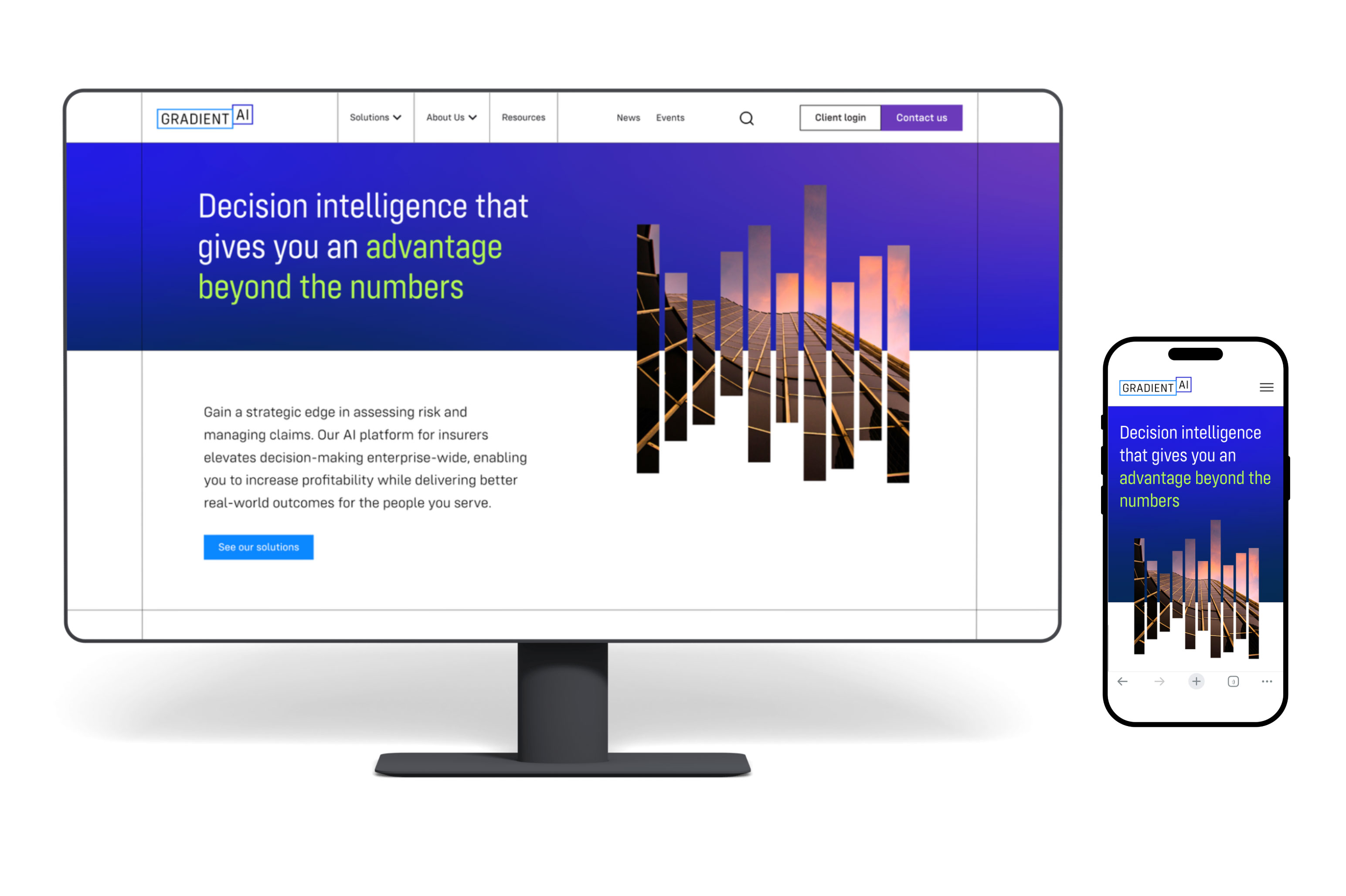
Gradient AI Rebuilds Brand: What Enterprise SaaS Insurers Signal Now
Enterprise software platform refreshes identity to anchor premium positioning in insurance decision intelligence—and the unboxing infrastructure must follow.
Gradient AI, the enterprise software provider anchoring artificial intelligence decision-making for insurance underwriters and claims teams, has debuted a refreshed brand identity. The move arrives as the insurance-tech sector consolidates and as enterprise buyers demand visual coherence between software platforms and the physical materials their teams touch in high-stakes client meetings. This rebrand is not cosmetic repositioning. It is foundational work—the kind that determines whether a $50M SaaS company reads as stable infrastructure or ventures into commoditization.
What the Move Signals
Gradient's refresh lands at a inflection point. Insurance decision intelligence—the real-time processing of underwriting and claims data through machine learning—has moved from emerging to expected. The platform must now communicate reliability, institutional depth, and the gravity of the outcomes it produces. A refreshed mark, typeface system, and color language do that work. They imprint authority on the software interface itself and, critically, on every document, presentation deck, and client-facing collateral that moves through an insurer's boardroom or risk committee.
The rebrand also signals that Gradient is moving upstream in its buyer hierarchy. It is no longer sufficient to own adoption at the underwriter level. The identity must work in front of CFOs, claims executives, and board-level risk officers—audiences that calibrate trust through consistency and restraint. The visual system has to convey precision without spectacle. That distinction separates enterprise infrastructure from vendor noise.
Where the Identity Layer Breaks
Here is where most enterprise software companies stumble: they refresh the digital face and leave the physical identity infrastructure behind. The website updates. The slide template modernizes. But the unboxing experience—the first-touch materials an enterprise client receives when onboarding—still carries the old mark. The leave-behind after a pitch meeting looks generic. The executive briefing binder does not imprint the brand signature with the same rigor as the logo on the homepage.
Gradient's opportunity window is open right now. The platform's visual identity is live. But the objects that accompany it—the first-contact materials, the premium presentation suites, the binders and folders and leave-behinds that senior insurance buyers touch in physical space—must be manufactured to the same specification as the digital identity. Consistency at that layer is what separates noted vendors from institutional partners. It is also what generates the quiet confidence that makes renewal conversations easier and upsell conversations possible.
What Operators Do in This Window
Experienced premium-market operators move fast here. The identity refresh is fresh. Buyer attention is highest in the first 90 days. This is the moment to audit every physical touchpoint: the unboxing experience for new clients, the deck covers used in C-suite presentations, the materials that accompany software demos in the boardroom. Each piece must be manufactured to imprint the new brand signature with precision. Fonts must align. Spacing must be exact. Paper stocks must signal quality—not luxury, but institutional seriousness.
Second, operators commission a primary-use collection: the materials that do the heaviest work in the sales cycle and client experience. For enterprise insurance software, this means executive briefing folders, premium presentation binders, leave-behind capability statements, and the unboxing suite for new account setup. These pieces anchor the relationship before the contract is signed and keep the brand present through implementation.
Third, they keep a production schedule in place. Enterprise SaaS companies refresh identity every 4–6 years. The infrastructure objects themselves turn over every 18–24 months. That means the operator establishes a refresh cadence now, integrates the new identity into the production queue immediately, and ensures that every physical material that moves out the door carries the new mark. Gradient's window closes in 120 days. The operator who moves first keeps that brand signature imprinted in the hands of every buyer before the refresh news fades from industry attention.
Editorial & Disclosure Notice: This article was written with artificial intelligence from public sources and is published without individual human review. Artificial intelligence and other digital tools are also used for research, analysis, editing, formatting, and production. Errors, omissions, outdated information, or inaccuracies may occur. References to companies, brands, products, services, organizations, or individuals are for informational and editorial purposes and do not imply endorsement, sponsorship, affiliation, partnership, or approval unless expressly stated. All trademarks and other intellectual property remain the property of their respective owners. Opinions, analysis, estimates, and commentary are informational only and should not be construed as financial, investment, legal, tax, medical, procurement, or other professional advice. Information may be corrected, clarified, or updated after publication. Corrections or removal requests: jenny@pops4.com.