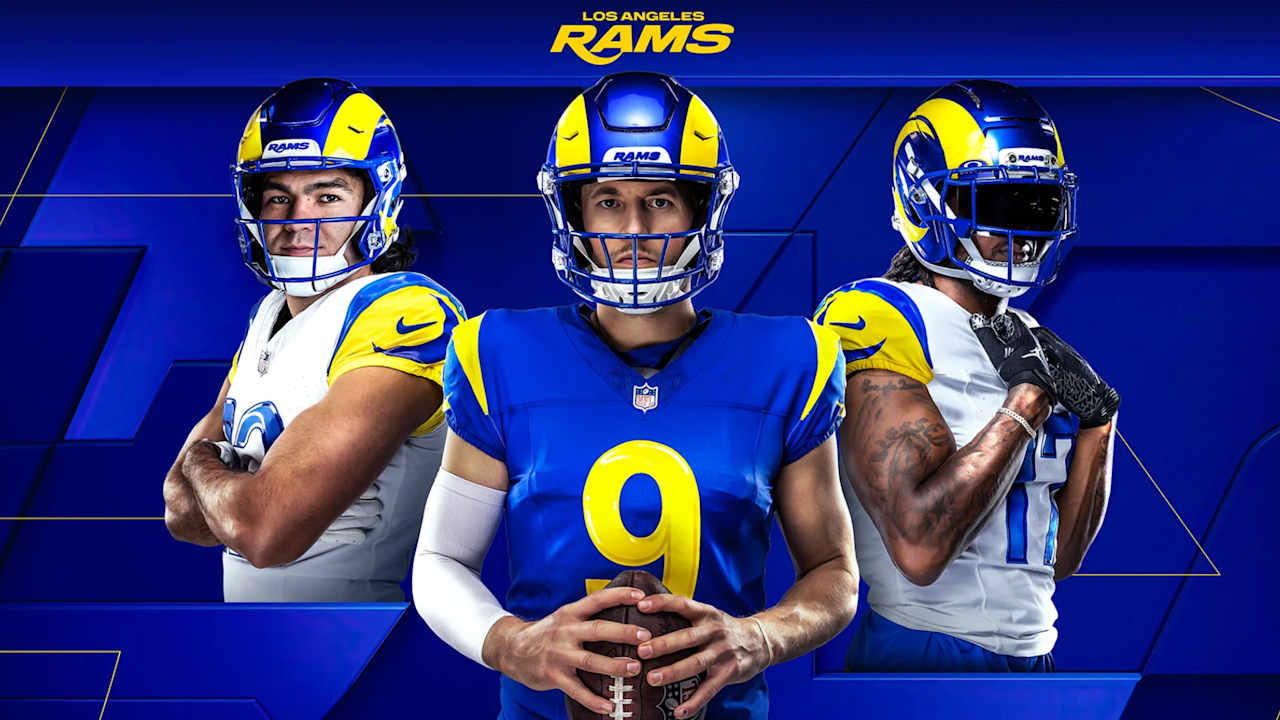
Rams Brand Refresh Demands Disciplined Identity Infrastructure
Los Angeles Rams' 2026 uniform redesign requires coordinated branded collateral, stadium presence, and merchandise systems across fan touchpoints.
The Los Angeles Rams announced a comprehensive brand identity refresh ahead of the 2026 season. New uniforms, updated visual language, and redesigned organizational marks form the core of the initiative. This is not aesthetic work alone. A uniform change at professional sports scale displaces every branded object in circulation—from stadium signage to merchandise packaging to premium hospitality materials. The window between announcement and game day is finite. What the organization manufactures, imprints, and distributes in this period will define how fans experience the new identity in person.
What the move signals for physical presence
Uniform redesigns in the NFL function as organizational reset points. They reset fan purchasing behavior, merchandise velocity, and stadium-side brand perception. The Rams' timing—ahead of a full season—means stadium collateral, ticket packages, hospitality suites, and retail environments must all reflect the new mark simultaneously. A single touchpoint that lags communicates uncertainty. Heritage-tier organizations understand this: brand coherence is manufactured through discipline, not messaging. The Rams must now keep every physical channel aligned. This includes concourse signage, premium lounge branding, merchandise fixture design, packaging systems for apparel, and the visual language used in suite materials and VIP communications.
Where the identity layer breaks without infrastructure
Most teams treat merchandise as separate from brand architecture. Premium operators know better. Packaging, hang tags, display systems, and premium product curation either reinforce the new identity or undermine it. A well-executed rebrand fails when a fan receives merchandise in dated packaging, or when stadium collateral reflects only partial adoption of new mark standards. The infrastructure gap appears in the details: how apparel is presented at point of sale, what visual language appears on premium ticket materials, whether suite furnishings and signage follow the same disciplined mark system. These are not merchandise decisions. They are identity decisions. The Rams must now specify, source, and deploy integrated systems across all customer-facing environments. This requires a single source of truth for production specifications.
What operators do in this window
Experienced heritage-house operators move now. The Rams' announcement opens a 6-8 month procurement window before game day. Premium venues, team partnerships, and corporate suite operators begin their buying cycles immediately. VP-level premium sales and CMO teams should have already identified: which branded objects require redesign, which suppliers hold production capacity, and what package specifications drive premium perception. Single Family Office principals benefit from this timing. If your organization holds naming rights, suite operations, or premium partnership status with the Rams, your branded identity infrastructure (signage, collateral, gift packages for clients) may require coordination with their new mark system. Note the gap early. Procurement leads and chiefs of staff should audit their current materials against the new Rams visual standards before the season begins. Waiting until game day means expedited production, cost overruns, and inconsistent brand presence.
The discipline required here is straightforward: specification, sourcing, production, and deployment across all physical touchpoints within a compressed timeline. This is the way this gets handled—not as merchandise opportunity, but as organizational identity infrastructure.
Editorial & Disclosure Notice: This article was written with artificial intelligence from public sources and is published without individual human review. Artificial intelligence and other digital tools are also used for research, analysis, editing, formatting, and production. Errors, omissions, outdated information, or inaccuracies may occur. References to companies, brands, products, services, organizations, or individuals are for informational and editorial purposes and do not imply endorsement, sponsorship, affiliation, partnership, or approval unless expressly stated. All trademarks and other intellectual property remain the property of their respective owners. Opinions, analysis, estimates, and commentary are informational only and should not be construed as financial, investment, legal, tax, medical, procurement, or other professional advice. Information may be corrected, clarified, or updated after publication. Corrections or removal requests: jenny@pops4.com.