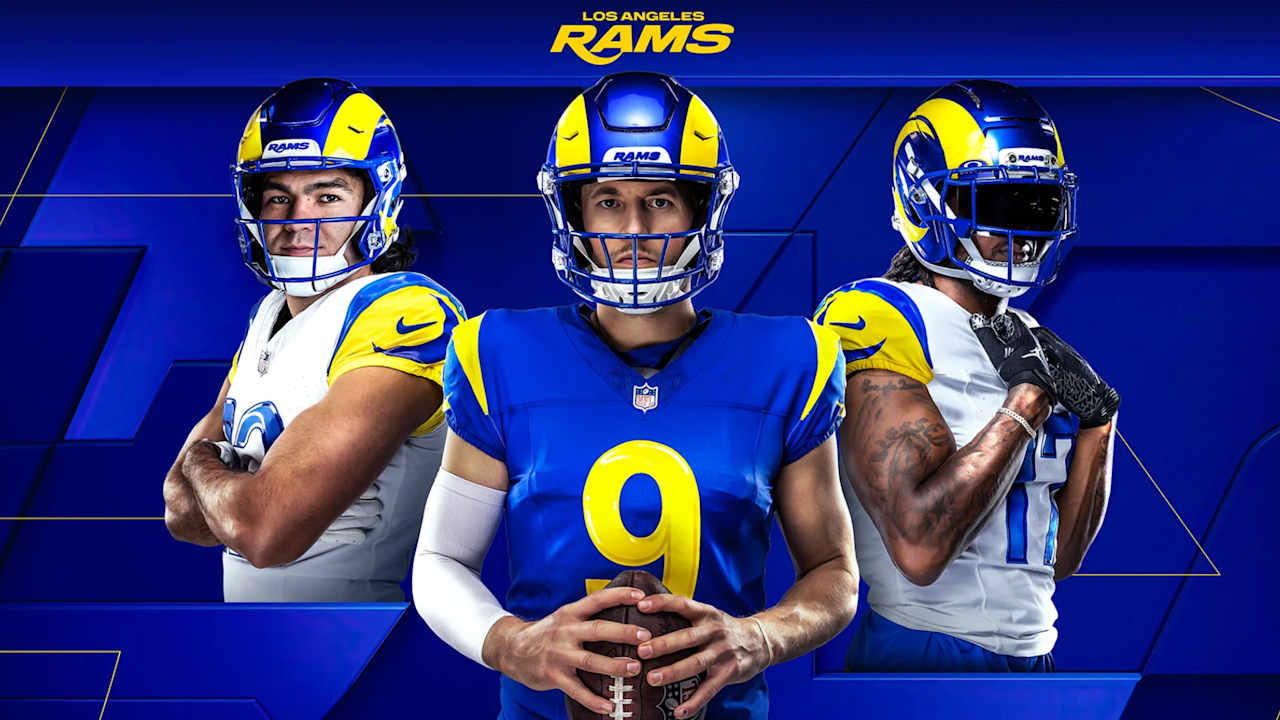
Rams Retire Aesthetic Risk for Unified Brand Discipline
Los Angeles Rams dismantle visual fragmentation ahead of 2026 season, consolidating uniform, retail identity, and stakeholder infrastructure into a single coherent system.
The Los Angeles Rams have announced a complete uniform and brand refresh for the 2026 NFL season. The move displaces five years of aesthetic experiment—the current identity, introduced in 2020, pursued visual distinctiveness through chromatic variation and structural complexity. The new direction reverses that approach. Instead of multiplicity, the Rams manufacture constraint. Instead of novelty, they imprint discipline.
This matters because a rebrand at the NFL tier—where merchandise revenue flows through retail partners, stadium experience anchors premium seating, and player appearance channels corporate partnerships—is not a design exercise. It is infrastructure work. The Rams are solving for coherence across touchpoints that currently operate in visual isolation: uniform, helmet, wordmark, color palette, retail packaging, digital asset library, and the physical environments where fans and premium stakeholders encounter the brand.
What This Signals About Identity Layer Discipline
The Rams' decision to consolidate rather than expand reflects a maturation in how major sports organizations understand branded identity. The previous system—introduced under then-new ownership and design leadership—prioritized distinction within the competitive landscape of NFL visual identity. That is a valid strategy when the organization is repositioning or rebuilding perception. By 2026, the Rams need something different: recognition, consistency, and durability across channels that cannot sustain visual variance without fracturing stakeholder experience.
Note the specificity: this is not a minor refresh. This is a complete rebuild of the identity system. That includes uniform structure (fit, fabrication, colorway), helmet design, wordmark architecture, and the secondary mark system that licensees and retail partners depend on to produce everything from apparel to stadium signage. When a principal or their Chief of Staff evaluates sponsorship relationships or premium seating arrangements, they are purchasing confidence in the organization's visual coherence. A fragmented identity system signals internal misalignment.
Where the Retail and Merchandise Infrastructure Breaks
The operational weight of this rebrand falls on the licensed merchandise tier and retail channel partners. The current system has generated a large inventory of goods—apparel, caps, sideline wear, collectibles—manufactured against the existing visual architecture. None of that inventory aligns with the new system. Retailers must cycle existing stock, reset point-of-sale systems, update digital asset libraries, and retrain staff on the new color palette and mark system.
For premium operators—VP-level sales teams, heritage-house CMOs managing premium packages, event planners coordinating hospitality experiences—this window is critical. The transition between identity systems creates opportunity to anchor sponsorships, naming rights, and branded partnership assets against the new visual language before the 2026 season launches. Goods manufactured now, imprinted with the new identity, will carry the brand through a five-to-seven-year cycle. The organizations that move first establish market position and manufacturing timeline advantage.
What Operators Do in This Window
Experienced operators use identity transitions to lock in partnership terms and branded object specifications. This means: identifying which premium touchpoints (club seating, suite naming, hospitality collateral, player apparel) depend on visual identity assets; manufacturing branded objects—jackets, credentials, limited-edition goods—ahead of the formal launch; and anchoring those goods in partnership agreements so they function as stakeholder communication rather than administrative inventory.
The window closes when the Rams officially reveal the new uniform system. After that moment, the old system becomes historical. After that moment, manufactured goods carry either the legacy identity (which reads as delay or nostalgia) or the new identity (which is expected). The operators who move between now and reveal establish themselves as aligned with organizational direction. They manufacture confidence.
This is how branded identity infrastructure gets handled—not through design excellence alone, but through disciplined coordination of visual system, manufacturing timeline, and stakeholder communication. The Rams are teaching that lesson to the market.
Editorial & Disclosure Notice: This article was written with artificial intelligence from public sources and is published without individual human review. Artificial intelligence and other digital tools are also used for research, analysis, editing, formatting, and production. Errors, omissions, outdated information, or inaccuracies may occur. References to companies, brands, products, services, organizations, or individuals are for informational and editorial purposes and do not imply endorsement, sponsorship, affiliation, partnership, or approval unless expressly stated. All trademarks and other intellectual property remain the property of their respective owners. Opinions, analysis, estimates, and commentary are informational only and should not be construed as financial, investment, legal, tax, medical, procurement, or other professional advice. Information may be corrected, clarified, or updated after publication. Corrections or removal requests: jenny@pops4.com.