Marriott's Penang Play: Identity Infrastructure at Rebrand
Courtyard brand expansion into Malaysia signals immediate collateral and amenities rollout—what operators stage in the 90-day window.
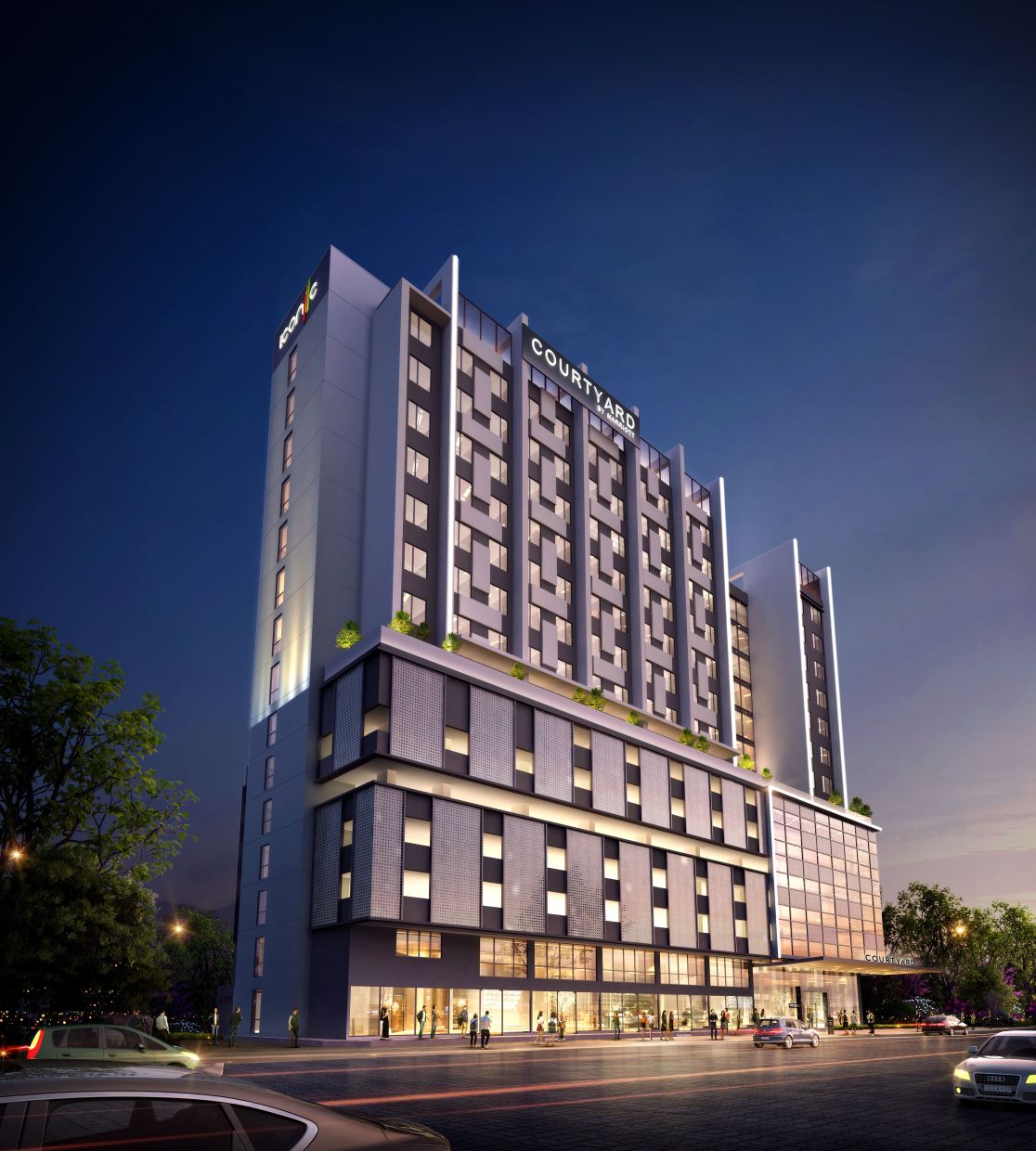
Marriott International has rebranded an existing property to Courtyard by Marriott on Malaysia's Penang mainland. The move is straightforward: take a regional property, imprint Courtyard's visual and operational standards, and manufacture the physical infrastructure that tells guests they are staying within a recognized tier of the Marriott ecosystem. This is not reposition work. This is infrastructure deployment.
The rebrand triggers a cascade of immediate needs. Guest amenities—bathrobes, notepads, pens, water bottles, tote bags—must now carry Courtyard identity marks, not the predecessor brand. Packaging for in-room items, lobby collateral, wayfinding signage, and branded objects distributed across public space all require redesign and production. Housekeeping manuals, staff uniforms, and front-desk materials shift. The property cannot open under new signage without these materials staged and installed. The window between announcement and guest-facing launch is typically 60 to 90 days. Operators who understand this timeline move first.
What the expansion signals for Marriott's footprint
Courtyard by Marriott operates in 45 countries. Penang mainland—a manufacturing and logistics hub with growing affluence and business travel—represents deliberate market selection, not opportunistic acquisition. Malaysia's middle-market hospitality sector has consolidated around four or five major operators. Marriott's move to rebrand rather than build new signals confidence in existing real estate and willingness to absorb retrofit costs to establish brand presence where travelers already move. Penang's geography—island to mainland connectivity, port-adjacent, established MNC presence—makes it a platform for Courtyard's positioning as the bridge between economy and upscale. The rebrand is Marriott's assertion that this property and this market warrant the infrastructure investment to compete for the 45-to-65-year-old business traveler with regional loyalty programs and spouse-inclusive events.
Where the identity layer breaks without planning
Rebranding an existing property creates a compound problem. Previous signage, legacy packaging, outdated collateral, and retained staff create friction points. Guest experience depends on consistency: every object the traveler touches—room key envelope, breakfast menu, luggage tag, thank-you note—must reinforce Courtyard identity. One outdated amenity, one logo inconsistency, one staff member using old terminology displaces the entire brand message. Properties that move fast through the collateral production cycle—selecting vendors, locking designs, manufacturing, and staging materials before soft opening—establish brand authority in the first 30 days of operation. Properties that delay or compromise on quality of branded objects spend six months repairing perception.
Experienced operators in this window know: the vendor selection matters as much as design approval. A collateral manufacturer experienced in hospitality standards, understands regional customs compliance, and can deliver phased shipments on schedule keeps the property ahead of opening deadlines. The CMO who outsources this to the lowest-cost vendor or assumes the design house will handle production typically discovers—two weeks before opening—that materials are held in customs or quality does not meet Courtyard standards. The way this gets handled is through pre-vetted vendor relationships and clear contractual timelines.
What principals and operators do in the 90-day window
For a Single Family Office or heritage-house group that owns hospitality assets, a Marriott rebrand nearby signals both competitive and acquisition opportunity. Properties outranking this rebrand through branded identity infrastructure—guest experience consistency, staff training, amenity quality, design coherence—can position for acquisition or premium positioning within the Penang market. For VP Premium Sales and Chief Marketing Officers managing heritage properties, this rebrand sets a new baseline for guest expectations. Travelers who stay at Marriott properties carry those standards across all stays. A competitor property that does not match production quality or design consistency loses market share.
Operators with event and meeting responsibility face immediate questions: Does Courtyard's new Penang property displace existing contracts? What amenities and branded objects will be available for group events? What is the timeline for sales enablement materials, branded gift items, and collateral for account teams? Vendors who respond within the first 45 days of the rebrand announcement—with production samples, pricing, and delivery schedules—secure the relationships that carry through the property's first two years of operations.
Editorial & Disclosure Notice: This article was written with artificial intelligence from public sources and is published without individual human review. Artificial intelligence and other digital tools are also used for research, analysis, editing, formatting, and production. Errors, omissions, outdated information, or inaccuracies may occur. References to companies, brands, products, services, organizations, or individuals are for informational and editorial purposes and do not imply endorsement, sponsorship, affiliation, partnership, or approval unless expressly stated. All trademarks and other intellectual property remain the property of their respective owners. Opinions, analysis, estimates, and commentary are informational only and should not be construed as financial, investment, legal, tax, medical, procurement, or other professional advice. Information may be corrected, clarified, or updated after publication. Corrections or removal requests: jenny@pops4.com.