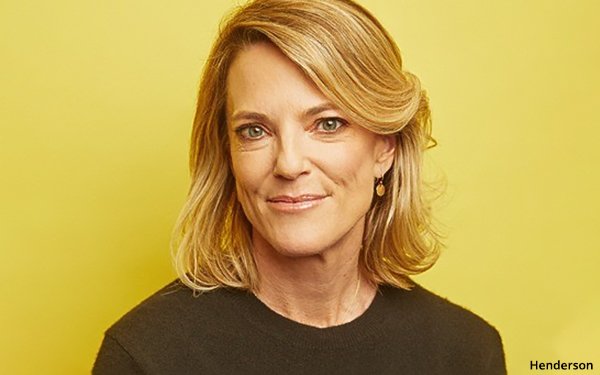
Pinterest Hires Fox Comms Chief—Now Shapes Its Physical Brand
Julie Henderson's arrival as Chief Communications Officer signals a coordinated stakeholder campaign that demands premium branded infrastructure and measured event presence.
Pinterest has appointed Julie Henderson, former communications leader at Snap and 21st Century Fox, as Vice President and Chief Communications Officer. The hire arrives as the platform navigates investor relations, creator partnership messaging, and a recalibration of how it presents itself to enterprise clients and cultural institutions. Henderson's tenure at Fox—where she managed communications across broadcast, streaming, and regulatory domains—indicates Pinterest intends to operate with heritage-house discipline: stakeholder segmentation, multi-channel consistency, and the kind of earned-media strategy that requires physical touchpoints, not digital spray.
What the hire signals for stakeholder engagement
Henderson's background suggests Pinterest will segment its communications by audience tier. Fox trained her to manage simultaneous conversations with investors, creators, advertisers, and regulators. At Snap, she navigated the company's transformation from consumer toy to advertising platform. At Pinterest, that skill set translates into one clear mandate: each stakeholder segment receives calibrated messaging, and each conversation requires a corresponding physical presence. A conversation with a brand consortium differs materially from one with a creative collective. The infrastructure to manufacture and imprint those distinctions—through invitation collateral, event environments, branded objects distributed at premium gatherings—determines whether the message lands or dissolves.
Where the identity layer operates
Pinterest's previous communications posture favored platform neutrality and algorithm transparency. Henderson's appointment suggests a pivot toward narrative control and relationship management. That shift demands a branded identity architecture that exists in three registers: the visual (logo application, color imprinting on materials), the tactile (the weight and finish of collateral, the quality of production), and the environmental (how spaces at events are configured to reflect company values). Each register must align. A single misstep—a printed invitation that feels consumer-grade when the audience expects institutional craft—undermines the entire effort. The way this manifests is not in volume but in coherence: every object manufactured, every space imprinted, every touchpoint kept must reinforce that Pinterest operates at a certain altitude of intentionality.
What operators do in this window
The next six to nine months represent an open window. Henderson is still in intake mode—learning stakeholder relationships, noting which conversations require face-to-face presence, identifying where physical events will matter most. Experienced operators move now. They approach premium event planners, heritage-house CMOs, and branded identity houses to commission work that anticipates Henderson's strategy rather than responding to it. A SFO principal or Chief of Staff watching this move should recognize that Pinterest is about to require:
House-imprinted collateral for investor and partner convenings—materials that signal institutional weight, not platform playfulness. Branded objects for cultural and creator partnerships—pieces that can live on a desk or shelf and carry meaning beyond the moment they're received. Event environments that telegraph consistency and craft—spaces where the brand's restraint and discipline become visible.
The operator who moves first—who proposes the design framework, the production timeline, the stakeholder segmentation strategy—positions themselves as the house that understands not just what Pinterest needs but why Henderson was hired to lead the asking. That is the way this gets handled.
Editorial & Disclosure Notice: This article was written with artificial intelligence from public sources and is published without individual human review. Artificial intelligence and other digital tools are also used for research, analysis, editing, formatting, and production. Errors, omissions, outdated information, or inaccuracies may occur. References to companies, brands, products, services, organizations, or individuals are for informational and editorial purposes and do not imply endorsement, sponsorship, affiliation, partnership, or approval unless expressly stated. All trademarks and other intellectual property remain the property of their respective owners. Opinions, analysis, estimates, and commentary are informational only and should not be construed as financial, investment, legal, tax, medical, procurement, or other professional advice. Information may be corrected, clarified, or updated after publication. Corrections or removal requests: jenny@pops4.com.