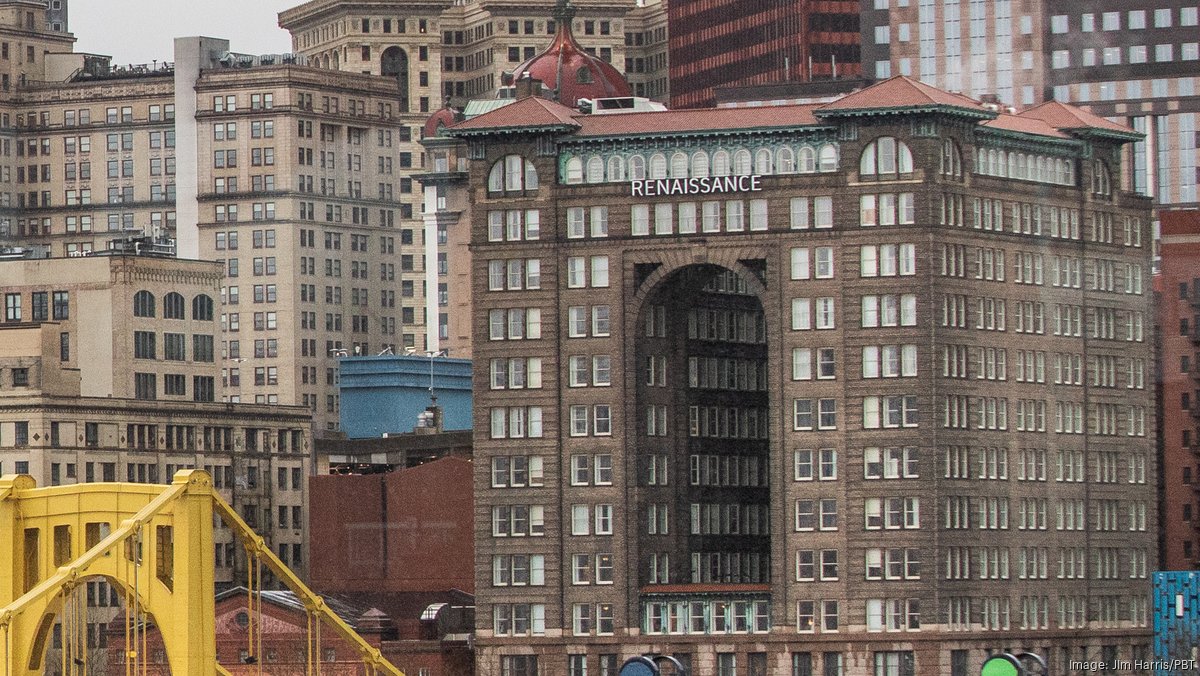
Renaissance Pittsburgh Becomes Atterbury: Identity Overhaul Begins
Historic hotel rebrand honors original architect while demanding immediate collateral infrastructure—a window for operators to align physical presence with narrative.
Renaissance Pittsburgh Hotel is undergoing a substantial rebrand to Atterbury Hotel, a move that reinstates the name of the building's original architect and signals a deliberate shift toward heritage positioning in a market saturated with chain standardization. The rebrand includes full signage replacement and a complete refresh of branded materials—from environmental graphics to guest-facing collateral. This is not cosmetic repositioning. It is infrastructure work. The hotel is manufacturing a new identity layer, and the materials being produced right now will define how guests, prospects, and the market read this property for the next ten to fifteen years.
What the move signals about heritage positioning
Arthitecture-led rebrands are rare in hospitality. Most hotel companies inherit buildings and impose their own corporate overlay. Atterbury is doing the opposite: it is stepping back from corporate standardization and toward the original architect's intention. This move signals confidence that heritage and specificity outrank brand recognition in the premium market segment. For operators managing high-net-worth events, convention business, or corporate retreats, this recalibration matters. A property that names itself after its architect is declaring that craft and provenance are part of the product. It is keeping the narrative tight and specific rather than broad and safe.
The signage installation underway is the first imprinted layer guests encounter. If that work is rushed, compromised, or generic, the rebrand narrative fractures before check-in. If it is disciplined and crafted, it becomes the first evidence that the hotel understands what it is claiming to be.
Where the collateral window opens
Rebrand windows are compressed. Signage must be installed, environmental graphics produced, stationery manufactured, digital assets refreshed, and staff materials imprinted—often within ninety to one hundred eighty days. During this window, brand infrastructure either gets built with precision or it gets assembled with shortcuts. Premium hospitality properties at this tier cannot afford the latter. Every printed object, every wayfinding element, every guest touchpoint produced during a rebrand either reinforces the narrative or undermines it.
For procurement leads and chiefs of staff overseeing this work, the critical question is not speed—it is coherence. Atterbury is not just changing its name. It is repositioning its identity in the market. The collateral produced now must reflect architectural intention, historical accuracy, and forward-facing premium positioning simultaneously. That requires coordination across signage vendors, print producers, environmental design, and digital teams. It requires someone keeping the standards and making sure nothing gets imprinted that hasn't been vetted against the brand story.
What experienced operators do in the window
Properties that have managed successful heritage rebrands know that collateral production must outpace market announcement. The work happens in the gap between decision and public debut. Signage gets fabricated and tested on-site. Guest materials get printed in staggered batches to avoid waste. Branded objects—from key cards to service collateral—are produced to a single standard that everyone on staff can reference. Environmental graphics are imprinted with precision about placement, color, and material choice.
For event planners, sales teams, and premium-tier CMOs, this rebrand creates both a requirement and an asset. The requirement: all materials used in client pitches, proposals, and branded environments must align with the new identity from day one. The asset: a property with a clearer, more specific positioning narrative becomes easier to sell to clients seeking distinctive venues. Atterbury is not a chain hotel managing its brand guidelines. It is a heritage property managing its identity. That distinction is noted by the buyers in this market.
The way this gets handled—coordination, discipline, and consistency across every produced object—determines whether the rebrand lands as credible or merely cosmetic.
Editorial & Disclosure Notice: This article was written with artificial intelligence from public sources and is published without individual human review. Artificial intelligence and other digital tools are also used for research, analysis, editing, formatting, and production. Errors, omissions, outdated information, or inaccuracies may occur. References to companies, brands, products, services, organizations, or individuals are for informational and editorial purposes and do not imply endorsement, sponsorship, affiliation, partnership, or approval unless expressly stated. All trademarks and other intellectual property remain the property of their respective owners. Opinions, analysis, estimates, and commentary are informational only and should not be construed as financial, investment, legal, tax, medical, procurement, or other professional advice. Information may be corrected, clarified, or updated after publication. Corrections or removal requests: jenny@pops4.com.