Schneider Electric India Names New VP Marketing Amid Regional Expansion
Leadership reorganization signals infrastructure investment in partner ecosystems and physical brand presence across India's energy sector.
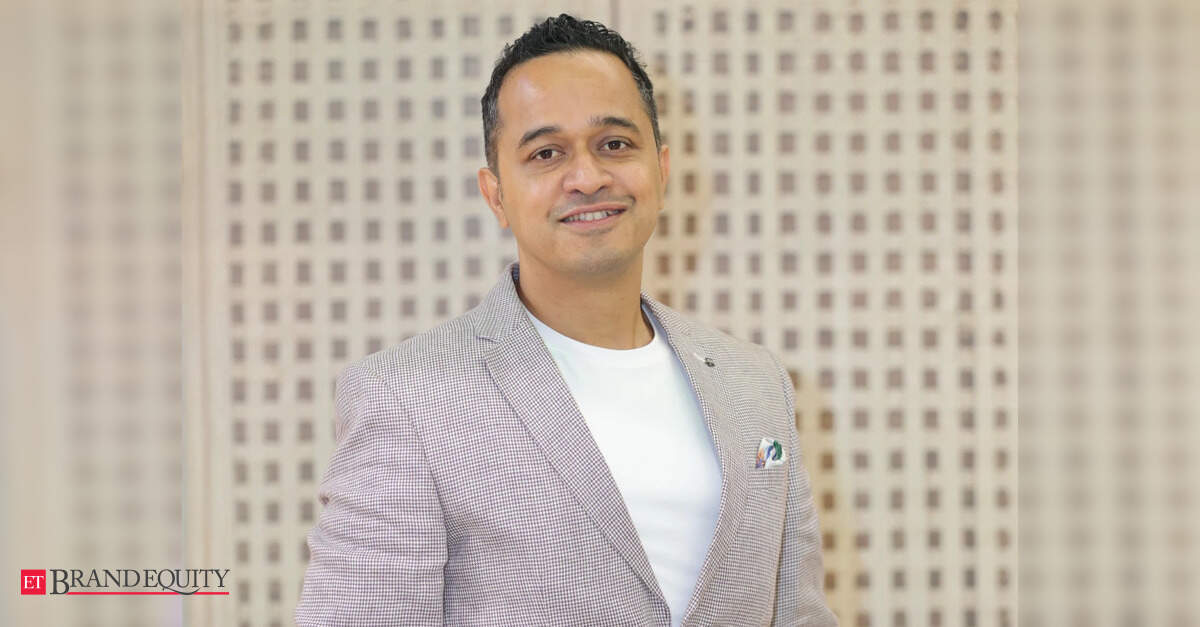
Schneider Electric elevated Ratnesh Pandey to Vice President of Marketing for India, a move that reorganizes how the company positions itself in one of its most active regional markets. The shift follows the company's deepening footprint in power management, industrial automation, and sustainability work across the subcontinent. What matters here is not the appointment itself but what it signals: a company preparing to move from sales-led presence to infrastructure-led brand identity—the kind that requires discipline in how objects, spaces, and partner materials represent the organization at scale.
What the appointment signals for identity layer
When a region becomes strategic enough to warrant a dedicated VP marketing role, the existing infrastructure typically fails to perform. Sales materials photocopied across regions. Partner collateral that doesn't reflect house standards. Employee onboarding kits that feel transactional rather than imprinted with organizational values. Pandey's mandate—reorganizing India's marketing strategy—includes diagnosis of these gaps. The expansion phase means Schneider will move from managing visibility to manufacturing presence. That requires rebuilding how the brand keeps itself legible: what gets handed to a facility manager on day one; what a distributor displays; what an engineering team carries into the field.
Where the identity infrastructure window opens
Regional expansion of this scale creates a 90-to-180-day procurement window where operational leaders can install branded identity infrastructure before organic growth outpaces design governance. Experienced operators move fast here. They audit what partner-facing materials currently exist across sales, operations, and field teams. They define what branded objects—technical documentation holders, site safety materials, equipment identification systems, partner presentation folders—should travel with the company's footprint. They establish production pipelines for the materials that will scale: the printed collateral, the packaging, the environmental graphics that appear in regional offices. Once the sales machinery accelerates, these standards either exist or they don't. There is no retrofit phase.
Schneider's India operation serves industrial and commercial customers who expect consistency of presentation. A power distribution facility manager in Chennai and one in Bangalore should encounter the same standard of materials, the same imprinted identity language. That doesn't happen by accident during expansion. It requires a CMO or chief of staff who understands that branded identity infrastructure is operational infrastructure—not decoration, not afterthought. The window is now. Within six months, Pandey will have hired regional marketing teams, defined go-to-market priorities, and either equipped them with standardized identity systems or left them improvising.
What operators do in this moment
The move to engage a house like this one happens when a company recognizes that India's regional expansion requires something their internal teams cannot produce at velocity and scale: architecture for how the brand moves through space and into hands. That means working with a partner who keeps manufacturing discipline, who notes what works in comparable regional expansions, and who can move production timelines without sacrificing standard. It also means doing this work ahead of the hiring cycle accelerates. Once Pandey brings in regional account directors and marketing managers, they inherit whatever identity infrastructure exists. Better to have it built than to brief new people on what still needs to happen.
The way this gets handled determines whether Schneider's India expansion feels coordinated or fragmented to the partners and customers who interact with it.
Editorial & Disclosure Notice: This article was written with artificial intelligence from public sources and is published without individual human review. Artificial intelligence and other digital tools are also used for research, analysis, editing, formatting, and production. Errors, omissions, outdated information, or inaccuracies may occur. References to companies, brands, products, services, organizations, or individuals are for informational and editorial purposes and do not imply endorsement, sponsorship, affiliation, partnership, or approval unless expressly stated. All trademarks and other intellectual property remain the property of their respective owners. Opinions, analysis, estimates, and commentary are informational only and should not be construed as financial, investment, legal, tax, medical, procurement, or other professional advice. Information may be corrected, clarified, or updated after publication. Corrections or removal requests: jenny@pops4.com.