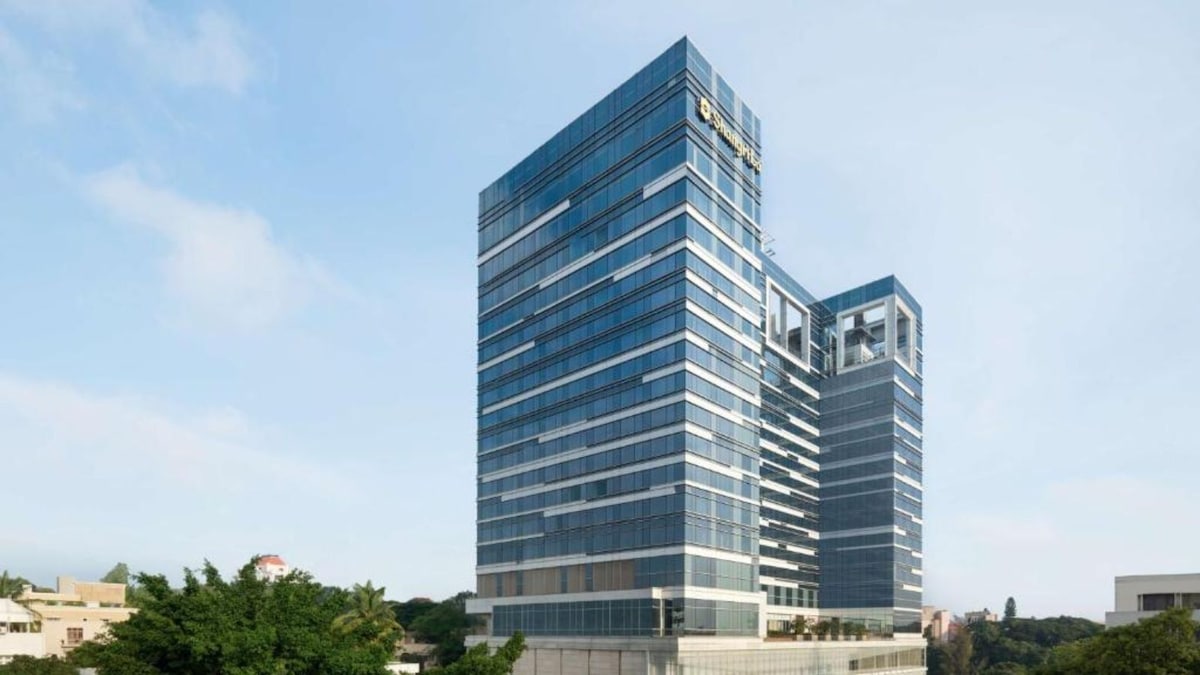
Shangri-La Bengaluru Exits; ARTEZIA's Identity Layer Begins
A 397-key luxury hotel de-flagging signals the start of complete visual identity infrastructure work—the window where asset owners either anchor brand presence or scatter it.
Alekhya Property Developments has initiated a full rebranding of its Bengaluru property from the Shangri-La flag to ARTEZIA, a move that extends far beyond signage. The hotel's departure from one of Asia's longest-held luxury identities marks the beginning of substantial work: visual identity overhaul, branded collateral systems, packaging architecture, and guest experience materials that will imprint every surface a visitor touches. This is the moment when ownership chooses whether the property maintains disciplined brand presence or defaults to scattered, ad-hoc identity work.
What the Move Signals About Market Position
The de-flagging itself indicates a strategic recalibration. Shangri-La's network management and operational standards no longer align with Alekhya's vision for the asset—a decision driven by either economic restructuring, competitive positioning, or the owner's intent to manufacture a distinct market identity. In India's competitive luxury hospitality sector, this signals confidence that an independent brand can outrank a legacy corporate flag. ARTEZIA enters the market unburdened by corporate heritage systems, positioned as a contemporary luxury proposition rather than a steward of established protocols.
For the ownership group, this choice represents a shift from managed-brand economics to direct brand equity development. That shift requires capital and discipline. The property must now build its own reputation, guest loyalty, and branded presence in a market where Shangri-La carried 30 years of accumulated trust.
Where the Identity Infrastructure Work Concentrates
The 397-key scale demands systematic, repeatable branded identity work. Every room key, stationery suite, dining menu, spa amenity, employee uniform badge, parking signage, and arrival experience material must be imprinted with consistent ARTEZIA language. This is not redecorating. This is infrastructure: the skeletal system that keeps brand promise legible across 400 guest rooms, 12+ revenue centers, and continuous staff rotation.
The window to do this correctly is immediate. Asset owners who delay this work—who treat identity materials as secondary procurement—watch their property fragment into visual inconsistency within months. A guest checks in under one visual language, dines under another, receives spa communications in a third. The property loses presence. Experienced operators note this and move fast: identity infrastructure gets locked before soft opening. Before the first review. Before guest photography begins.
The collateral systems required at this tier include branded packaging (amenities, takeaway, F&B), environmental graphics, wayfinding, digital touchpoints, and employee-facing materials that reinforce brand discipline at operational level. Each category must originate from a single identity source—not dozens of vendors working independently.
What This Window Demands of Ownership
Alekhya has approximately 90-120 days from rebrand announcement to soft opening where identity infrastructure decisions hold weight. That window closes fast. Hotels that have managed this transition well—Four Seasons, Mandarin Oriental, independent luxury properties—treat branded identity not as a final expense item but as foundational capital infrastructure, on equal footing with HVAC or security systems.
The questions asset owners face now: Who manufactures the identity source material. Who imprints consistency across vendors. Who keeps the standard notes after opening, when 200 suppliers and rotating staff want to modify the work. These questions define whether ARTEZIA maintains presence or becomes another undifferentiated luxury property.
The way this gets handled determines whether guests remember the brand or remember the room rate.
Editorial & Disclosure Notice: This article was written with artificial intelligence from public sources and is published without individual human review. Artificial intelligence and other digital tools are also used for research, analysis, editing, formatting, and production. Errors, omissions, outdated information, or inaccuracies may occur. References to companies, brands, products, services, organizations, or individuals are for informational and editorial purposes and do not imply endorsement, sponsorship, affiliation, partnership, or approval unless expressly stated. All trademarks and other intellectual property remain the property of their respective owners. Opinions, analysis, estimates, and commentary are informational only and should not be construed as financial, investment, legal, tax, medical, procurement, or other professional advice. Information may be corrected, clarified, or updated after publication. Corrections or removal requests: jenny@pops4.com.