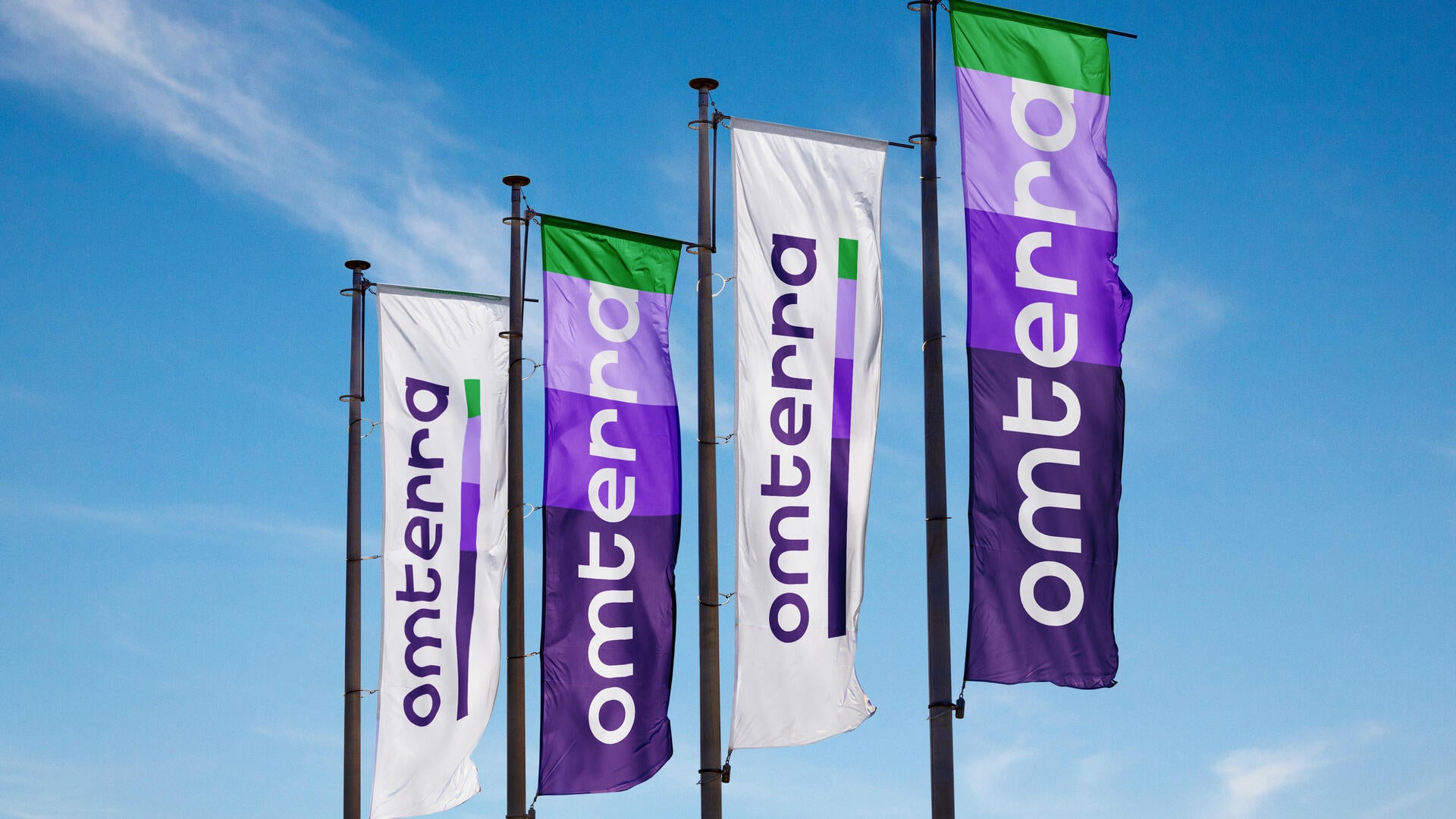
Siemens Energy Exits €300M License, Builds Omterra Identity
Fortune 500 enterprise rebrand signals major infrastructure investment in physical branded assets and executive collateral systems.
Siemens Energy announced its separation from the parent Siemens brand structure, retiring a €300 million annual licensing obligation and launching operations under the new corporate identity Omterra. The move displaces decades of inherited brand architecture and requires a complete rebuild of identity infrastructure—from executive gifting protocols and boardroom collateral to packaging systems, environmental design, and institutional materials that will circulate across energy markets, client boardrooms, and government stakeholder meetings.
This is not a logo refresh. This is structural architecture work. The company must now manufacture, design, and deploy a coherent identity layer across every touchpoint where enterprise operators, regulators, and institutional investors encounter the brand. That scale of work—across print, materials science, gifting protocols, and environmental design—operates on a 18-to-36 month runway and requires coordination among procurement, compliance, creative direction, and supply chain partners who understand Fortune 500 governance.
What the separation signals for physical presence
When a €100+ billion energy company exits a parent brand license, the financial recovery flows into brand infrastructure. Omterra will need to establish its own design system, material standards, and branded object protocols. This means commissioning new executive gift frameworks (board-level presentation pieces, client relationship anchors, stakeholder recognition systems), imprinting architectural standards across all collateral (letterhead through boardroom environments), and building supply relationships that reflect Fortune 500 compliance and durability expectations. The company must also establish internal brand governance—who approves what, which vendors are cleared for which materials, how quality and consistency move through the supply chain.
The visual identity alone will reach hundreds of stakeholder audiences: institutional investors, government energy regulators, corporate clients, facility operators, and the executive community. Each audience expects different material weights, production values, and delivery formats. What gets imprinted on a board presentation differs materially from what gets kept on a desk, what circulates in regulatory filings, or what marks a client facility.
Where identity infrastructure becomes operational necessity
Experience shows that enterprises at this scale underestimate the timeline and budget required to stand up complete branded identity infrastructure. Most companies budget for creative design and then discover that manufacturing standards, vendor qualification, compliance documentation, and supply chain setup require 40-60 percent of the total project cost. A single decision—paper weight, finish, production method—cascades across thousands of units and multiple vendors.
The window is open now. Omterra's leadership team is making identity decisions this quarter and next. Vendors and partners brought into this phase shape the company's material presence for the next decade. Experienced operators move early: they audit current inventory (what stays, what gets retired), establish material standards and vendor protocols, build phased deployment calendars, and coordinate across communications, real estate, procurement, and executive operations. The companies that handle this work cleanly are the ones that invested in infrastructure thinking from month one—not the ones trying to retrofit consistency after launch.
What operators do in the deployment window
The enterprise rebrand window is 18-36 months. In that time, a company must retire old identity materials, design and approve new systems, qualify and onboard vendors, manufacture inventory across dozens of collateral categories, and deploy across offices, events, and stakeholder environments. This requires locked creative direction by month two, vendor selection by month four, and first production runs by month six. Most delays happen because stakeholders cannot agree on material standards or because procurement, legal, and operations were not engaged early enough.
The way this gets handled: bring in identity infrastructure partners who understand Fortune 500 governance, timeline management, and vendor coordination. Establish a single point of decision-making for brand standards. Build inventory maps that show what gets produced in what order. Set compliance gates. Move fast on the things that take longest to produce—custom environmental systems, premium executive materials, specialty printing. The companies ahead of schedule are the ones that treated this as operational infrastructure, not creative overhead.
Omterra's next 12 months will determine whether the identity lands with institutional weight or feels scattered across inconsistent materials. The difference is infrastructure discipline.
Editorial & Disclosure Notice: This article was written with artificial intelligence from public sources and is published without individual human review. Artificial intelligence and other digital tools are also used for research, analysis, editing, formatting, and production. Errors, omissions, outdated information, or inaccuracies may occur. References to companies, brands, products, services, organizations, or individuals are for informational and editorial purposes and do not imply endorsement, sponsorship, affiliation, partnership, or approval unless expressly stated. All trademarks and other intellectual property remain the property of their respective owners. Opinions, analysis, estimates, and commentary are informational only and should not be construed as financial, investment, legal, tax, medical, procurement, or other professional advice. Information may be corrected, clarified, or updated after publication. Corrections or removal requests: jenny@pops4.com.