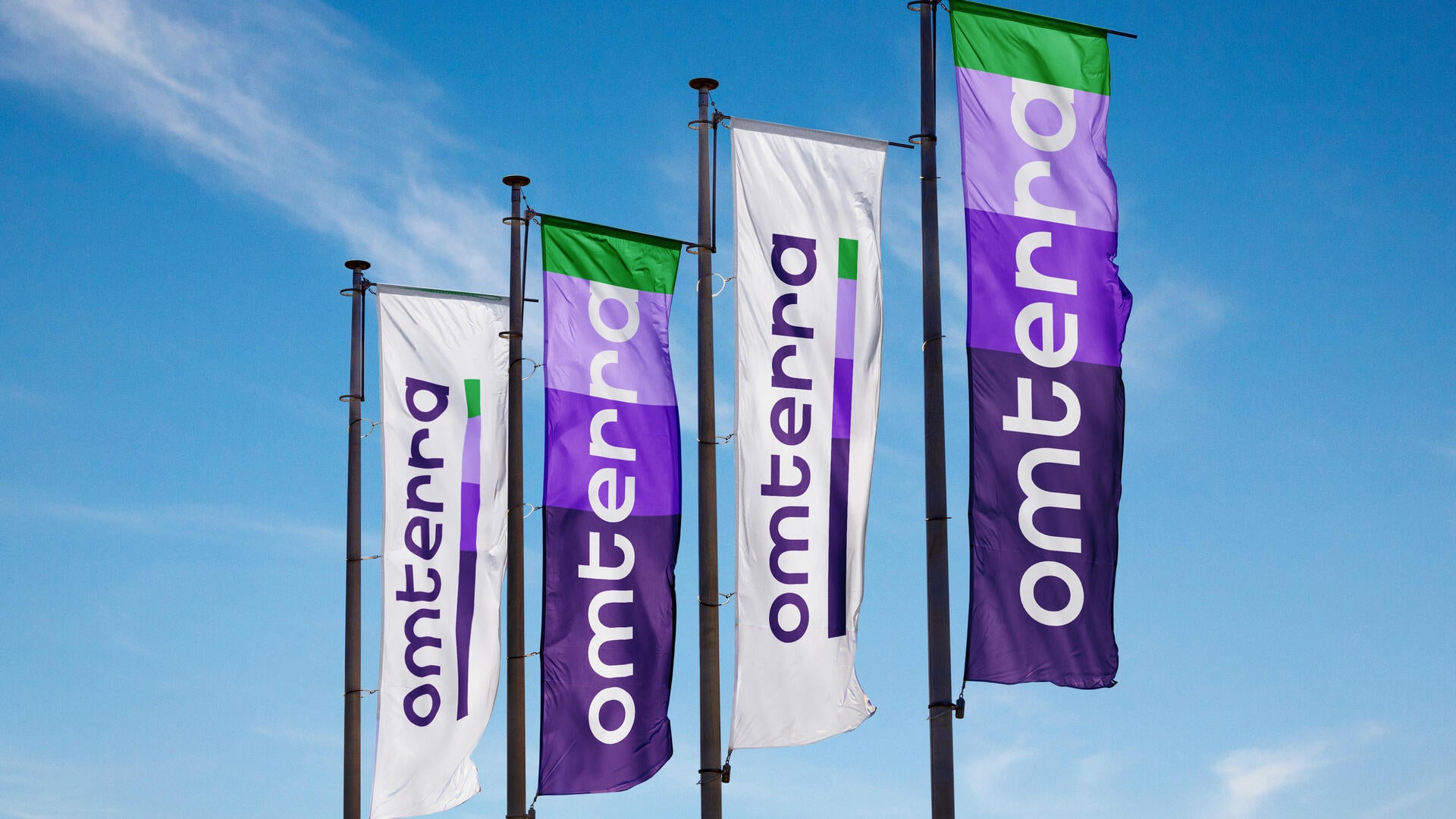
Siemens Energy Sheds €300M License, Manufactures Omterra Identity
Enterprise rebrand forces complete packaging, collateral, and physical infrastructure refresh—a structural test of how operators move material identity at scale.
Siemens Energy has retired the Siemens name and architecture entirely, launching as Omterra. The move dissolves a €300 million licensing relationship and displaces three decades of visual and operational infrastructure. What follows is not cosmetic. A rebrand of this magnitude requires the complete imprint of physical presence: packaging systems, collateral hierarchies, environmental graphics, branded objects across every touchpoint where the company manufactures trust. For Single Family Offices and heritage-house operators watching this, the event signals how institutional identity functions as material asset—and what happens when that asset must be reconstituted from infrastructure upward.
What the structural move demands
When an enterprise severs a parent-brand license, it does not simply change a logo. Siemens Energy must now produce its own identity language from scratch: primary and secondary mark systems, typography architecture, color specification across every medium. But the real work lives in the material layer. Every packaging system that carried the Siemens marque must be redesigned, manufactured, and deployed. Environmental signage at facilities, offices, and event spaces must be imprinted with new standards. Digital and print collateral systems must be rebuilt. Sales enablement materials, client presentation decks, annual reports, credential systems—all of it carries the old identity and must be retired or remade. The company faces a 12-to-24-month window where old and new identities coexist, creating operational confusion and brand vulnerability. Experienced operators know this window is not a problem to minimize—it is a procurement opportunity to architect.
Where the identity infrastructure breaks
The vulnerability surfaces first in physical environments. A client visits Omterra's offices and sees mixed signage. A prospect receives materials printed six months ago bearing Siemens marks alongside new Omterra collateral. Sales teams carry presentations that reference deprecated visual systems. Supply chain partners receive purchase orders from a company they no longer recognize by sight. Each inconsistency erodes the signal that this is a stable, deliberate entity. The rebrand is also a systems test: can the company manufacture and deploy new branded objects fast enough to prevent brand dilution. This requires coordination across procurement, design, production, logistics, and distribution. Most enterprises underestimate the depth of this work. They focus on the new mark and overlook the infrastructure—the systems that keep the identity coherent across 500 or 5,000 touchpoints. For heritage-house CMOs and VP Premium Sales at peer enterprises, Omterra's transition is instructive. It demonstrates why branded identity infrastructure must be treated as operational asset, not creative exercise.
What operators do in this window
The most disciplined move for Omterra is to treat this rebrand as an audit of every material system the company manufactures. Rather than rushing replacement, the operator identifies critical touchpoints—client-facing collateral, environmental signage, digital systems, event materials—and phases the imprint strategically. Secondary materials (internal signage, warehouse identification, administrative forms) can operate with extended timelines. This prevents brand noise and manages production cost. For enterprises watching Siemens Energy's transition, the lesson is actionable: when you rebrand, you inherit a complete material inventory. Every package, every document system, every branded object becomes legacy. The operator who manages this transition well manufactures what appears to be seamless continuity. The operator who does not manufactures confusion. This is where Huang Goodman's work begins—not with the mark itself, but with the infrastructure that keeps it coherent and deployed across time, medium, and geography.
Editorial & Disclosure Notice: This article was written with artificial intelligence from public sources and is published without individual human review. Artificial intelligence and other digital tools are also used for research, analysis, editing, formatting, and production. Errors, omissions, outdated information, or inaccuracies may occur. References to companies, brands, products, services, organizations, or individuals are for informational and editorial purposes and do not imply endorsement, sponsorship, affiliation, partnership, or approval unless expressly stated. All trademarks and other intellectual property remain the property of their respective owners. Opinions, analysis, estimates, and commentary are informational only and should not be construed as financial, investment, legal, tax, medical, procurement, or other professional advice. Information may be corrected, clarified, or updated after publication. Corrections or removal requests: jenny@pops4.com.