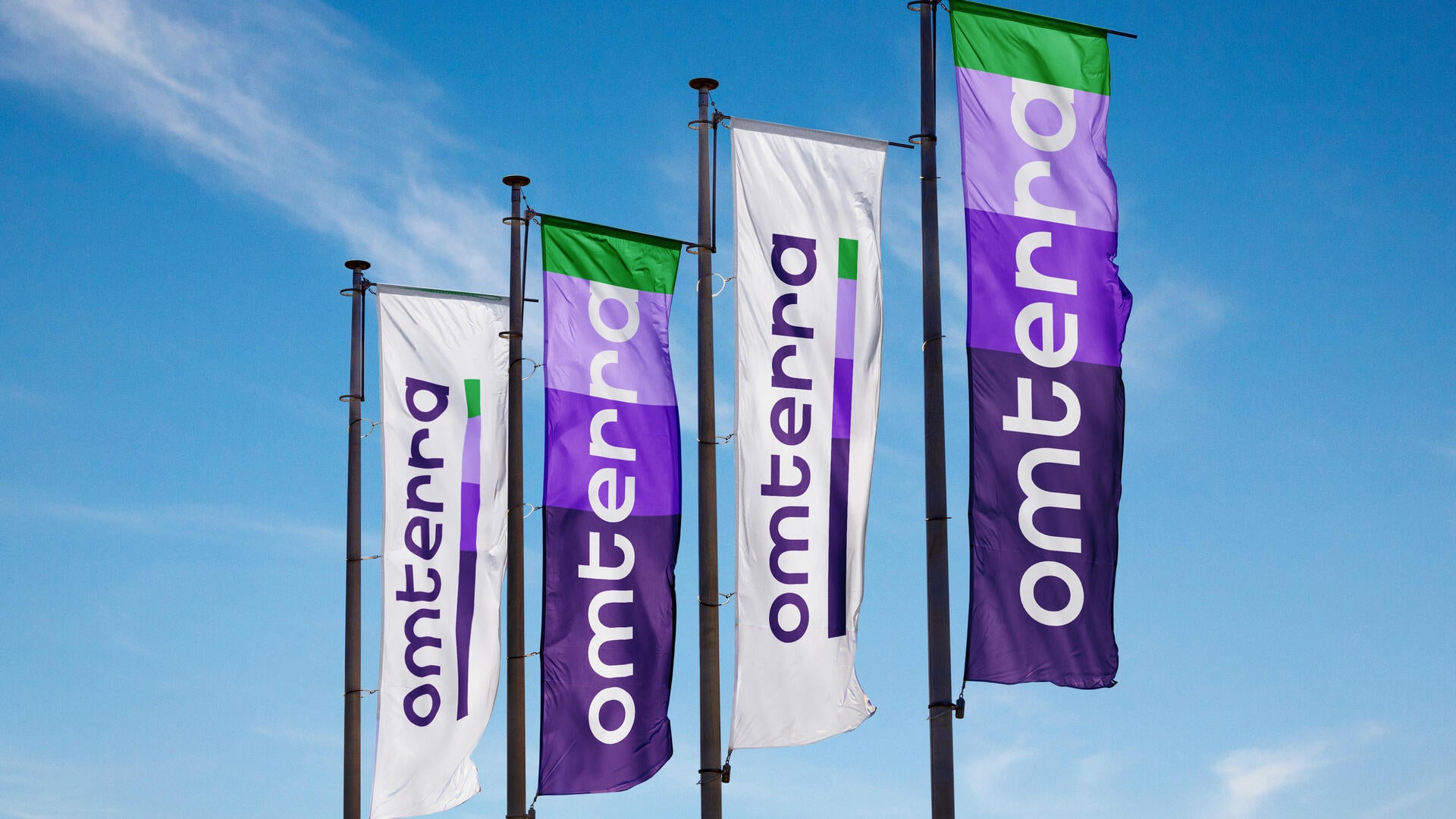
Siemens Energy Exits 300M License, Manufactures Omterra Identity
Enterprise rebrand displaces three decades of inherited visual infrastructure, requiring complete stakeholder object and environment overhaul.
Siemens Energy will retire the Siemens name entirely and operate as Omterra, ending a licensing agreement that cost the company approximately €300 million annually. The move signals a deliberate uncoupling from parent-house identity—a structural choice that forces simultaneous reconstruction of every physical and branded object that enterprise stakeholders touch. For a company of this scale, a rebrand of this magnitude manufactures both liability and opportunity in equal measure.
What the move signals for scale
This is not a logo refresh. Siemens Energy's rebrand represents a complete severance from decades-old visual and operational identity infrastructure. The company pays a substantial annual fee to use the Siemens name, and that expense—combined with strategic positioning in renewable energy—prompted leadership to manufacture an independent identity. Omterra enters the market as a standalone operator, which means every touchpoint requires reconstruction: signage, collateral, environmental graphics, stakeholder materials, vehicle marking, office environments, and the full catalog of objects that enterprise clients and employees encounter daily. The decision reflects confidence in the business unit's independent value proposition but demands disciplined execution across dozens of simultaneous production workflows.
Where the identity layer breaks first
The fracture points emerge immediately in three zones: internal stakeholder communication (employees must learn and apply new standards), external client environments (partner offices, event spaces, and client-facing operations), and field infrastructure (logistics, service operations, site marking). Each zone operates on different timelines and production constraints. A new corporate standard manufactured for office environments cannot simply scale to industrial sites or international operations without localization and material recalibration. Omterra must keep strict inventory management during transition—retiring old materials while manufacturing new ones without creating gaps in brand presence. Heritage companies typically underestimate the cost of this overlap period. The window where both identities exist in market, in client spaces, and in stakeholder hands often extends longer than leadership expects, creating visual noise and operational confusion that undermines the rebrand's intended clarity.
What operators do in the window
Experienced procurement leads and chiefs of staff recognize that a rebrand of this scope creates a 18-to-36-month production and installation cycle. The strategy that outranks others in this window requires three parallel moves: first, auditing every branded object and environment currently in operation to establish production priority (what gets replaced first, what can remain temporarily); second, establishing production partnerships with vendors capable of handling volume, consistency, and international distribution simultaneously; third, manufacturing a stakeholder communication protocol that keeps employees, clients, and partners informed of the transition schedule. Operators who move fastest in the first 90 days secure vendor capacity, lock production timelines, and establish the identity standard before complexity accumulates. Companies that delay this work often find themselves manufacturing replacements on compressed schedules, at higher cost, with lower quality control. The rebrand window is also the moment to reconsider what objects and environments actually require manufacturing—often a house will find that 20-30% of inherited infrastructure can be retired entirely rather than replaced, reducing total cost and accelerating the transition to Omterra identity across all stakeholder touchpoints.
The way this gets handled separates operators who view a rebrand as a project from those who treat it as an infrastructure investment. Siemens Energy's transition to Omterra will establish the new company's credibility through the consistency and discipline of its physical presence in market. That execution is the way this gets handled.
Editorial & Disclosure Notice: This article was written with artificial intelligence from public sources and is published without individual human review. Artificial intelligence and other digital tools are also used for research, analysis, editing, formatting, and production. Errors, omissions, outdated information, or inaccuracies may occur. References to companies, brands, products, services, organizations, or individuals are for informational and editorial purposes and do not imply endorsement, sponsorship, affiliation, partnership, or approval unless expressly stated. All trademarks and other intellectual property remain the property of their respective owners. Opinions, analysis, estimates, and commentary are informational only and should not be construed as financial, investment, legal, tax, medical, procurement, or other professional advice. Information may be corrected, clarified, or updated after publication. Corrections or removal requests: jenny@pops4.com.