SpaceX Public: The Identity Infrastructure Window
A newly public aerospace manufacturer signals urgent demand for precision-calibrated corporate gifting, investor relations packaging, and partnership recognition at scale.
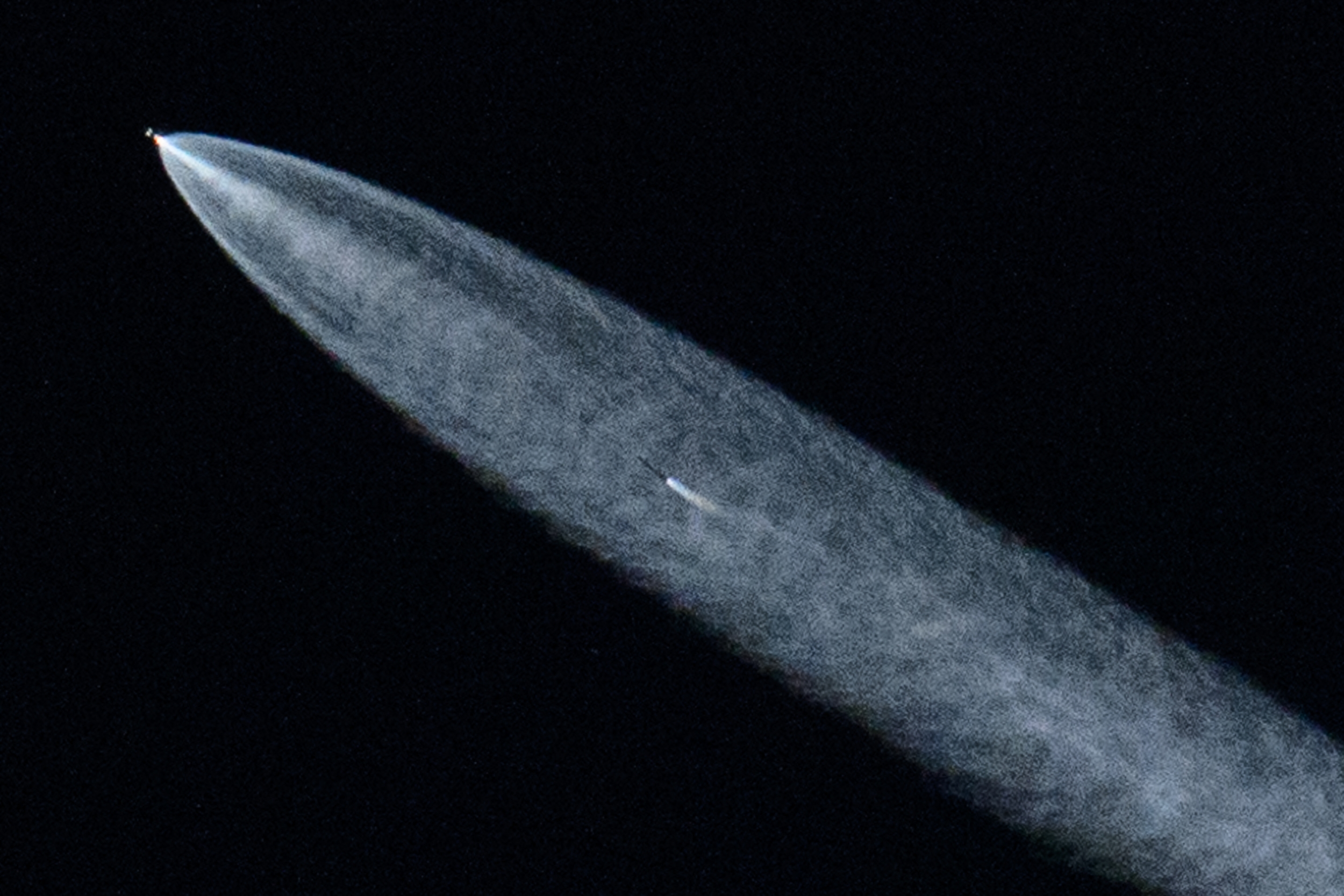
SpaceX completed its first orbital launch as a public company in early 2026, deploying its 1,500th Starlink satellite and crossing a threshold that separates private operational precision from public-market accountability. The company now manufactures not only rockets and satellite networks but also shareholder confidence, institutional partnerships, and geopolitical credibility. That requires a different kind of production: one that imprints identity into every physical interaction—from board-level presentations to client recognition events to supply-chain partner acknowledgment. The window between IPO completion and investor-relations maturity typically runs 18 to 36 months. Operators who move now establish the physical infrastructure that sustains brand coherence across multiple stakeholder tiers.
What the Transition Signals
Public status imposes a specific demand. SpaceX must now produce consistent, measurable proof of relationship value to institutional shareholders, defense contractors, international customers, and premium launch partners. That proof lives partly in quarterly earnings and regulatory filings—and partly in the objects and experiences that keep stakeholders anchored to the brand between official communications. A heritage-house aerospace supplier, a Midwestern institutional investor, or a European telecom firm receiving a SpaceX partnership acknowledgment now expects an object that reflects public-market standards: material quality, design coherence, production discipline, and durability that matches the company's stated commitment to long-term partnership. The branded identity infrastructure—packaging, recognition objects, event collateral—must outrank competitor offerings at every touchpoint.
Where the Identity Layer Breaks Without Planning
New public companies often outsource gifting and recognition packaging to generic suppliers or defer the decision until crisis seasons—earnings announcements, major partnerships, client retention moments. That delay costs operational credibility. An investor receives a hastily sourced pen. A launch partner gets a generic plaque. A premium customer attends an event where collateral feels disconnected from the company's stated precision and forward commitment. Each interaction imprints the opposite of the intended message: that SpaceX manufactures rockets, not relationships. The alternative requires a single, documented standard for all partner-facing physical materials. That standard must be established now—before investor relations scales, before premium partnership events proliferate, before the company's public identity fragments across dozens of vendors and ad-hoc decisions.
What Operators Do in This Window
The first move is architectural: an operator with experience at this tier—a Chief of Staff, a VP Premium Sales, or a heritage-house CMO—conducts a stakeholder-tier audit. Who receives recognition materials. What each tier expects. What the current vendor ecosystem produces. Then establishes one master specification: material standards, design language, production timelines, approval workflows. This infrastructure keeps SpaceX's partnership objects consistent, on-time, and aligned with public-market brand positioning. The second move is timing. Orders for major stakeholder recognition, investor packages, and event collateral must be placed and produced before the next quarterly cycle. Waiting until crisis seasons means emergency suppliers, margin compression, and materials that don't reflect the caliber of partnership SpaceX intends to signal. The operators who move fastest secure vendor capacity and establish documented processes that scale without degradation through the next three acquisition phases, partnership announcements, or shareholder events.
This is how a public company sustains its own brand promise across the thousands of moments between major press releases. The way this gets handled determines whether stakeholders remember SpaceX as a partner that keeps commitments at every scale.
Editorial & Disclosure Notice: This article was written with artificial intelligence from public sources and is published without individual human review. Artificial intelligence and other digital tools are also used for research, analysis, editing, formatting, and production. Errors, omissions, outdated information, or inaccuracies may occur. References to companies, brands, products, services, organizations, or individuals are for informational and editorial purposes and do not imply endorsement, sponsorship, affiliation, partnership, or approval unless expressly stated. All trademarks and other intellectual property remain the property of their respective owners. Opinions, analysis, estimates, and commentary are informational only and should not be construed as financial, investment, legal, tax, medical, procurement, or other professional advice. Information may be corrected, clarified, or updated after publication. Corrections or removal requests: jenny@pops4.com.