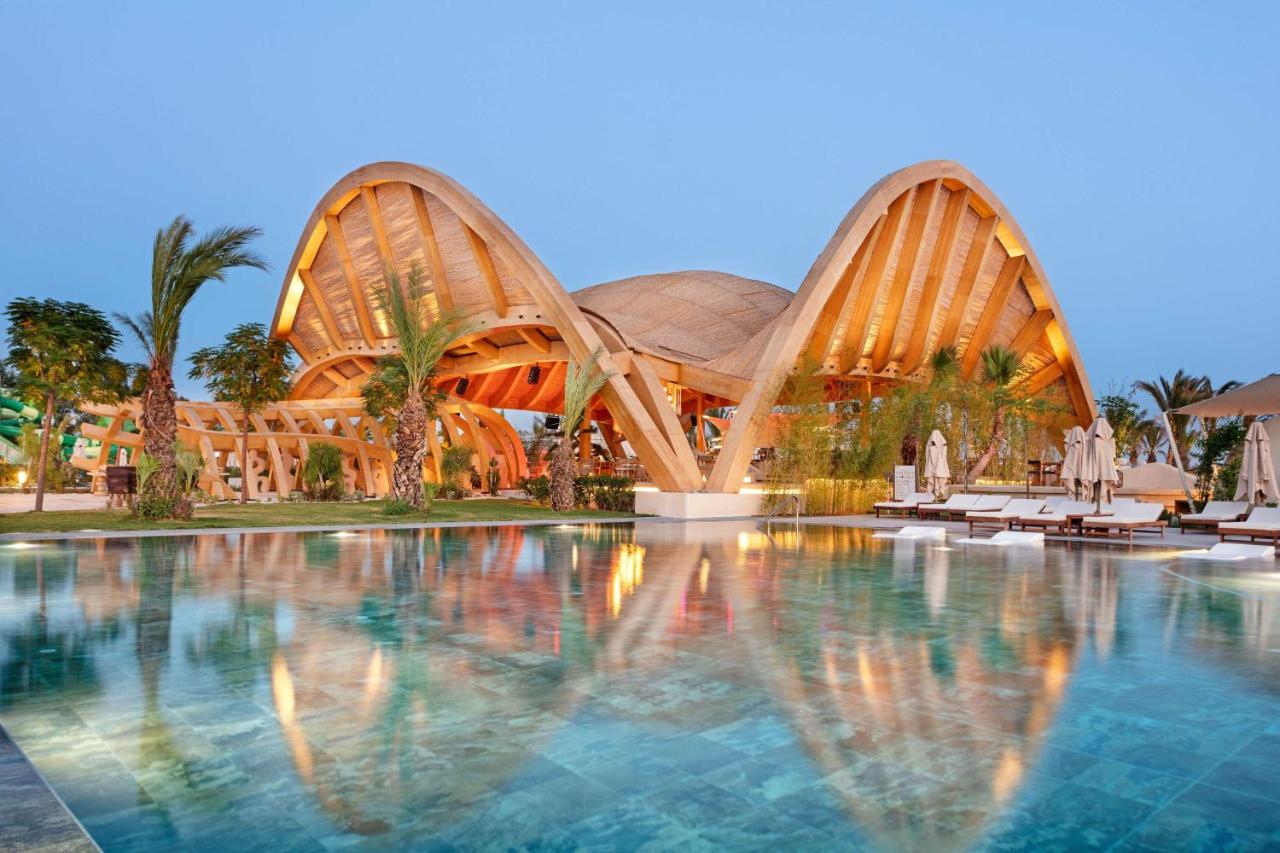
Turkish Hotels Race Rebranding Before 2026 Peak Season
Dozens of properties across the country signal a coordinated shift toward heritage positioning and tactile guest experience infrastructure.
Turkey's hospitality sector is engineering a simultaneous rebranding cycle across major properties ahead of the 2026 holiday season. This is not renovation theater. Multiple hotel groups—positioning themselves against short-term rental platforms and international chains—are rebuilding their physical identity layer and guest touchpoint systems. The timing is deliberate. The 2026 season represents peak travel capacity for the region, and these operators are manufacturing competitive advantage before that window opens.
The scope tells a story about where hospitality operators believe the real margin lives now. It is not in room count or amenities parity. It is in coherence—the consistency between what a hotel claims to be and what a guest holds in their hands, sees on the wall, finds on the nightstand. These rebranding efforts are not cosmetic. They require infrastructure: printed materials, branded objects, wayfinding systems, packaging for guest amenities, uniform and staff identity components. Each property must function as a vessel for its new positioning.
What the Move Signals About Hospitality Positioning
Turkey's hotel operators are making a statement about guest expectations and competitive differentiation. Heritage properties and boutique concepts outrank generic international chains in guest loyalty and pricing power. This rebranding wave reflects a calculated decision to own a market position that is defensible and locally rooted rather than globally replicated.
The timing also signals confidence in tourism recovery and regional travel demand. Operators do not fund simultaneous rebranding across a market unless they see sustained booking windows. This is a bet on 2026 occupancy and the willingness of higher-tier travelers to pay for experience coherence—the feeling that a property knows who it is.
Where the Identity Layer Gets Built
The operational work happens in the middle layers: everything between architectural decisions and guest interaction. This is where branded identity infrastructure lives. Hotel operators must decide what stays imprinted, what gets kept in rooms, what staff members hand to guests, what packaging carries amenities, what systems communicate the property's new positioning.
The procurement window for these decisions is open now. Properties are locking vendors, finalizing designs, ordering first production runs for 2026 delivery. This is not a process that tolerates late entry or standard work. Each property needs infrastructure that reflects its specific positioning within the larger rebranding narrative. The objects in a room—from welcome notes to amenity packaging to wayfinding systems—must speak the same language as the lobby, the website, the staff briefings.
What Experienced Operators Do in This Window
The hotel groups moving fastest are treating rebranding as infrastructure work, not decoration. They are auditing every guest touchpoint, defining what gets manufactured and imprinted, establishing specifications that outlast the opening moment. They are working with vendors who understand that branded objects carry positioning weight—that a poorly made amenity bottle or cheap printed folder damages the entire rebranding narrative.
Operators also recognize that this cycle requires early-stage vendor alignment. Decisions made now cascade through production timelines, shipping schedules, and installation logistics. The winning approach is not to wait until three months before opening. It is to lock positioning strategy, vendor relationships, and production calendars now so that the 2026 season sees properties that feel intentional, coherent, and built to last beyond the opening week.
This is how the identity layer gets engineered in a competitive hospitality market—with discipline, early commitment, and infrastructure that supports the story the property is trying to tell.
Editorial & Disclosure Notice: This article was written with artificial intelligence from public sources and is published without individual human review. Artificial intelligence and other digital tools are also used for research, analysis, editing, formatting, and production. Errors, omissions, outdated information, or inaccuracies may occur. References to companies, brands, products, services, organizations, or individuals are for informational and editorial purposes and do not imply endorsement, sponsorship, affiliation, partnership, or approval unless expressly stated. All trademarks and other intellectual property remain the property of their respective owners. Opinions, analysis, estimates, and commentary are informational only and should not be construed as financial, investment, legal, tax, medical, procurement, or other professional advice. Information may be corrected, clarified, or updated after publication. Corrections or removal requests: jenny@pops4.com.