Valar Atomics: $1B Signals Shift in Nuclear Identity
Mass production launch for AI-grade reactors demands premium collateral infrastructure and institutional packaging.
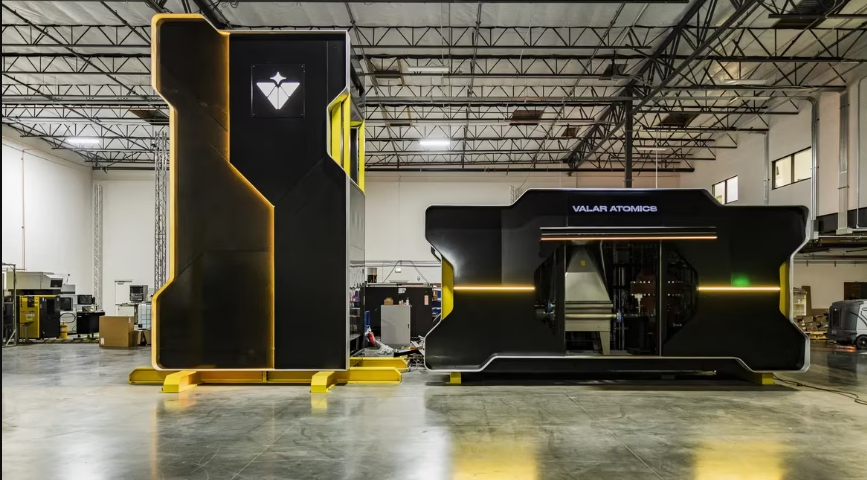
Valar Atomics has closed $1 billion in funding and moves now into manufacturing phase for small modular reactors built for the artificial intelligence infrastructure market. This is not venture theater. The company manufactures physical infrastructure at scale—hardware that utilities, data centers, and energy operators will specify, inspect, and keep for 40-year operational lifespans. What happens next, in the 18-month window before first units ship, determines how institutional buyers and regulatory bodies perceive the brand.
What the capital move signals
One billion dollars in a single raise does three things: it imprints a brand as a tier-one contender, it creates visibility that attracts board-level scrutiny, and it establishes the company as a principal in a market that energy majors have not yet dominated. The money itself is not the story. The signal is that Valar Atomics now operates in the registry where investor relations, executive packaging, and environmental-market positioning determine deal flow.
AI data centers require baseload power with minimal carbon signature. Valar's reactors address that. But the buyer—a utilities chief, a Fortune 500 infrastructure officer, a state energy commissioner—will not evaluate the product in isolation. They will assess the institutional confidence the brand manufactures around it. Collateral, presentation materials, executive briefing objects, on-site demonstration architecture, and investor communications all work to imprint that confidence into the decision-making process.
Where the identity layer breaks
Most industrial hardware companies, especially in nuclear, manufacture the thing and underinvest in the symbolic infrastructure around it. Regulatory bodies, grid operators, and C-suite decision-makers operate in a world of presentation: whitepapers that imprint authority, physical demonstration kits that move through offices, site-visit materials that establish professionalism, and branded objects that keep the company's name in operational memory for 12-36 months while deals move through committee cycles.
Valar Atomics, post-funding, cannot afford to be a hardware brand with adequate collateral. It must be a brand that manufactures confidence through every object, every document, every environmental touchpoint an institutional buyer encounters. This is where most companies fracture. They hire an internal marketing team, produce generic materials, and discover too late that their collateral does not register at the board level or carry the institutional weight the product deserves.
What experienced operators do now
The window is open. Valar is 12-18 months from first production units. In this period, the company establishes: branded identity infrastructure for investor relations events, materials that move through board meetings and regulatory bodies, environmental collateral that imprints the company as an institutional player, demonstration objects for on-site operations, and packaging systems for executive briefing kits that travel to utilities commissioners and energy procurement officers.
Operators in this space—heritage-house CMOs managing billion-dollar industrial portfolios, event planners staging investor conferences, chiefs of staff coordinating board materials—know that the first three months of mass-production readiness determine brand reception. The collateral manufactured in the next two quarters will be in use for three to five years. Valar will move from a venture-funded company into a manufacturer with a 40-year asset lifespan. The branded identity architecture it builds now must reflect institutional permanence, not startup velocity.
This is the way this gets handled: as infrastructure investment, not communications expense.
Editorial & Disclosure Notice: This article was written with artificial intelligence from public sources and is published without individual human review. Artificial intelligence and other digital tools are also used for research, analysis, editing, formatting, and production. Errors, omissions, outdated information, or inaccuracies may occur. References to companies, brands, products, services, organizations, or individuals are for informational and editorial purposes and do not imply endorsement, sponsorship, affiliation, partnership, or approval unless expressly stated. All trademarks and other intellectual property remain the property of their respective owners. Opinions, analysis, estimates, and commentary are informational only and should not be construed as financial, investment, legal, tax, medical, procurement, or other professional advice. Information may be corrected, clarified, or updated after publication. Corrections or removal requests: jenny@pops4.com.