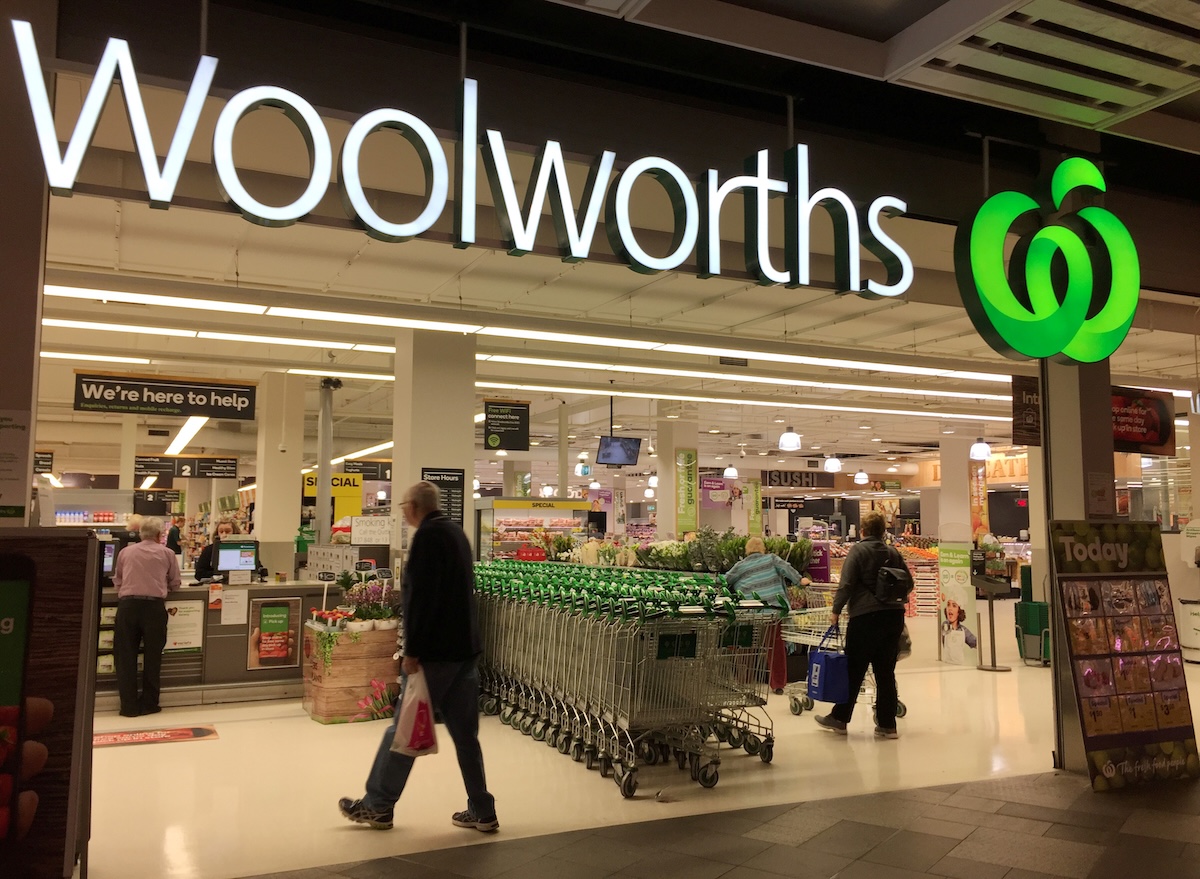
Woolworths Consolidates Creative: What the Identity Layer Rebuild Means
Droga5 ANZ appointment signals major packaging and collateral overhaul across Australia and New Zealand retail footprint.
Woolworths Group has appointed Droga5 ANZ as lead creative agency across Australia and New Zealand, displacing a fragmented roster and triggering wholesale creative consolidation. This move—material for a retail operation moving 30+ million dollars annually through physical channels—restructures how the brand manufactures, imprints, and distributes identity across packaging, in-store collateral, loyalty programs, and event infrastructure. The scale is specific: this is not a positioning refresh. This is a platform rebuild.
What This Move Signals for Physical Brand Presence
Agency consolidation of this magnitude does one thing first: it establishes a single point of creative authority. Woolworths operated across multiple creative partners, which meant packaging standards, color imprinting, typography systems, and collateral production ran on separate specifications. Droga5 now manufactures the visual language. That language moves into every object the consumer encounters—shelf facings, shopping bags, point-of-sale materials, digital-to-physical touchpoints, and event activation pieces. What matters here is infrastructure. A single creative lead means standardized production briefs, unified asset libraries, and consistent imprinting across factories and print vendors. For a heritage retailer operating across two countries, that standardization is operational advantage. It also means someone now owns the quality gate.
Where the Identity Layer Infrastructure Gets Rebuilt
Packaging is first. Droga5 will produce new brand asset systems—color palettes, iconography, logotype applications—that flow into primary and secondary packaging across the Woolworths range. Secondary comes next: shopping bags, in-store signage, employee uniforms, and delivery vehicle livery. Then the third layer: loyalty cards, event collateral, corporate gifting systems, and seasonal promotional objects. Each of these requires specifications. Each flows through vendors who imprint, produce, and distribute. The appointment creates a 12-to-18-month window where existing assets are phased out and new systems come into production. This is where experienced operators note the runway. New packaging tooling takes 90 days minimum. Print vendor qualification under new standards takes 60 days. Loyalty program collateral redesign happens in parallel. During this window, the brand is vulnerable to inconsistency—or it keeps standards so tight that the refresh becomes an operational case study.
The Operator Window: What Happens Now
For procurement and creative leadership, this moment presents three plays. First: map the current asset ecosystem. Understand which vendors produce which objects, what contracts expire, and where existing tooling sits. Second: establish the transition brief—what gets carried forward, what retires, and what timeline applies. Third: pre-qualify vendors against the new Droga5 creative standards before the full asset suite ships. Heritage retailers who move fast here—who get their packaging vendors and print partners aligned before the creative is finalized—avoid the production delays that sink Q4 shelf-readiness. The best-positioned operators have already started conversations with their manufacturing partners about capability gaps against what Droga5 will demand.
This is how the identity layer rebuild gets managed: not as a creative exercise, but as a supply-chain orchestration. The way this gets handled separates operational excellence from brand asset chaos.
Editorial & Disclosure Notice: This article was written with artificial intelligence from public sources and is published without individual human review. Artificial intelligence and other digital tools are also used for research, analysis, editing, formatting, and production. Errors, omissions, outdated information, or inaccuracies may occur. References to companies, brands, products, services, organizations, or individuals are for informational and editorial purposes and do not imply endorsement, sponsorship, affiliation, partnership, or approval unless expressly stated. All trademarks and other intellectual property remain the property of their respective owners. Opinions, analysis, estimates, and commentary are informational only and should not be construed as financial, investment, legal, tax, medical, procurement, or other professional advice. Information may be corrected, clarified, or updated after publication. Corrections or removal requests: jenny@pops4.com.