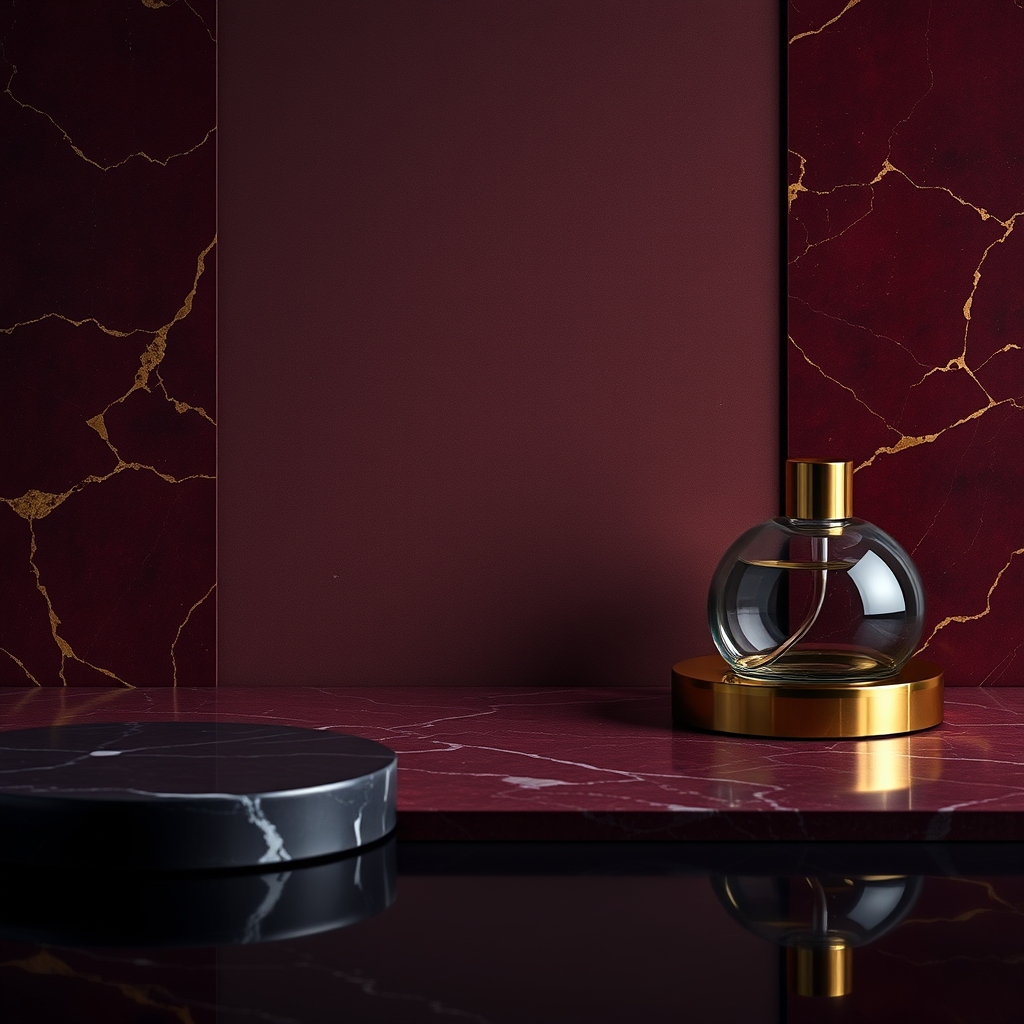
YSL Beauty Rewrites Luxury Packaging as a Refill Standard
The prestige beauty house commits to refillable architecture, demanding a complete redraw of its branded identity infrastructure and supply-chain visibility.
YSL Beauty has moved to anchor refillable luxury packaging as a category standard rather than a margin concession. The house is manufacturing a two-tier system: a durable vessel architecture that holds across multiple refill cycles, and modular refill units designed to imprint brand narrative at each replacement point. This is not sustainability theater. It is a structural rewrite of how prestige beauty manufactures consent at the point of repurchase.
The economics shift when you trade single-use units for vessel permanence. A customer who keeps a YSL vessel on her dressing table for three years manufactures a different relationship with the house than one who discards the packaging quarterly. The brand moves from transactional to custodial. The refill becomes the moment of re-engagement—a secondary imprint opportunity, a chance to note seasonal variation or collection evolution without manufacturing new primary packaging each cycle.
What the Move Signals for Physical Presence
Refillable systems require a new retail grammar. The primary vessel—the object a customer brings home initially—must operate as a permanent design artifact. It cannot be architecturally compromised by the economics of a single-use model. This demands precision manufacturing: closure systems that withstand repeated opening, material selection that ages rather than degrades, proportions that anchor a shelf or vanity over years, not months.
Secondary, the refill itself becomes a branded object. YSL is not simply decanting product into existing bottles. It is manufacturing refill units with their own identity layer: packaging that communicates heritage-house discipline, that coordinates with but does not duplicate the primary vessel, that makes the act of refill a moment of aesthetic intention rather than consumptive necessity. Department stores will require new fixture design. Direct-to-consumer channels will need separate refill supply chains and merchandising logic. The brand's physical footprint at retail expands horizontally even as unit count per transaction compresses.
Where the Identity Layer Breaks and Rebuilds
Refillable architecture displaces the traditional luxury packaging narrative. For decades, prestige beauty imprinted value through unboxing—the weight of a box, the density of protective paper, the reveal of a sealed vessel. That narrative held because the customer discarded it. Now the customer keeps it. The secondary unboxing (the refill moment) must deliver a different category of craft: efficiency, precision, an acknowledgment that the customer has made a decision to continue. There is restraint in that. There is also vulnerability.
Branded identity infrastructure for refill systems requires cross-functional visibility that heritage houses often lack. Packaging design, product formulation, supply-chain logistics, retail merchandising, and customer service must operate as a single entity. A refill that arrives damaged does not simply disappoint; it fractures the vessel relationship the customer has been building. The house must design quality checkpoints that prestige beauty traditionally compressed into the primary purchase moment. Refill quality becomes first-point quality in a way that commodity beauty never demanded.
What Operators Do in This Window
The operational window is narrow and structural. Single Family Office principals and their Chiefs of Staff should note: YSL's commitment to refillable architecture will reshape procurement expectations across prestige beauty within 18 months. Competitors will follow. The houses that move early will establish vessel design as a category point of difference. The houses that follow will inherit the packaging standards that the leader imprinted.
For VP Premium Sales and Chief Marketing Officers at heritage houses, this signals that branded objects—not just branded packaging—are where margin and narrative now compound. Event planners at the $250K tier should track YSL's in-store refill experience design. The refill moment is a new category of activation. It is not repeat purchase; it is renewed commitment. That distinction manufactures different merchandising, different storytelling, different staff training.
The way this gets handled—the depth of identity work required, the manufacturing precision demanded, the retail architecture that must be imprinted—is where the distinction between prestige and commodity finally becomes operational rather than rhetorical.
Editorial & Disclosure Notice: This article was written with artificial intelligence from public sources and is published without individual human review. Artificial intelligence and other digital tools are also used for research, analysis, editing, formatting, and production. Errors, omissions, outdated information, or inaccuracies may occur. References to companies, brands, products, services, organizations, or individuals are for informational and editorial purposes and do not imply endorsement, sponsorship, affiliation, partnership, or approval unless expressly stated. All trademarks and other intellectual property remain the property of their respective owners. Opinions, analysis, estimates, and commentary are informational only and should not be construed as financial, investment, legal, tax, medical, procurement, or other professional advice. Information may be corrected, clarified, or updated after publication. Corrections or removal requests: jenny@pops4.com.