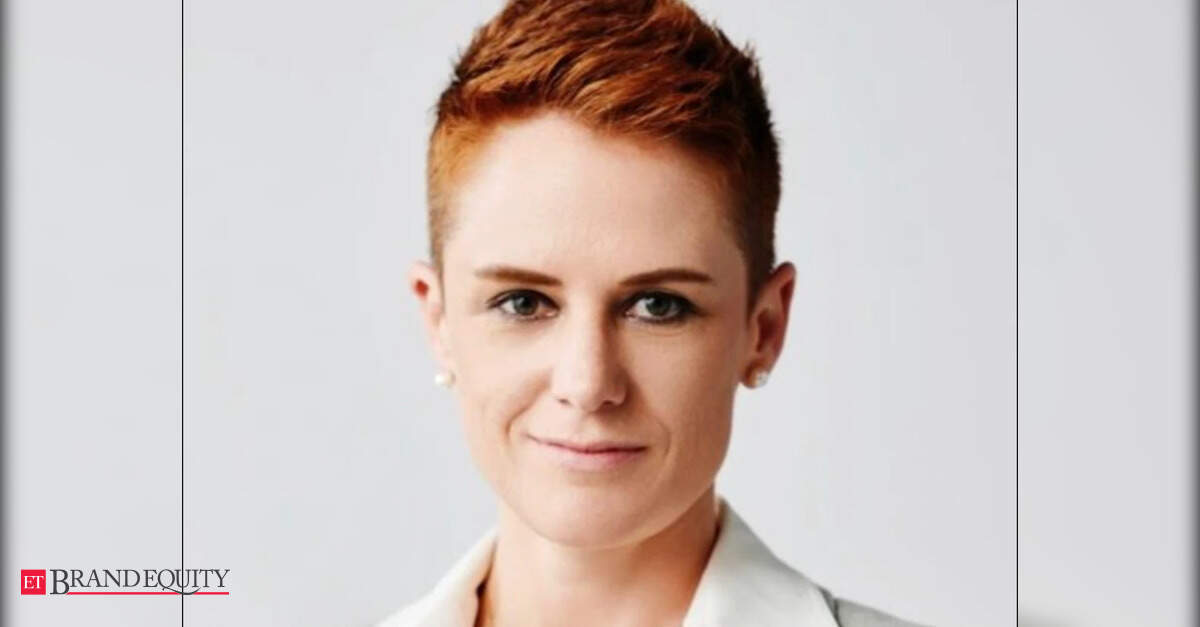
Zendesk Names CMO to Anchor AI Marketing Shift
Tifenn Dano Kwan's appointment signals a brand repositioning that demands new infrastructure for executive presence and customer recognition.
Zendesk has appointed Tifenn Dano Kwan as Chief Marketing Officer, tasking her with steering the company's messaging around AI-driven customer service and autonomous workforce positioning. This is not a lateral hire. Kwan arrives from a tenure focused on go-to-market strategy in enterprise SaaS, which means the company is preparing for a messaging refresh that touches everything from earnings calls to customer advisory boards to the physical objects that carry its identity into client offices and events.
When a Platinum-tier software company appoints a CMO with a mandate around AI, what follows is predictable: new campaign architecture, repositioned competitive narrative, and a reset of how the brand shows up in rooms where the company's customers sit. The window between appointment and first public appearances—typically 60 to 90 days—is when the identity layer either hardens or gets rebuilt.
What the appointment signals for brand presence
Kwan's mandate is not academic. Zendesk operates in a crowded customer-service software market where differentiation lives in narrative and proof. An AI-focused repositioning means the brand must answer three things in every context: what has changed about how the company serves customers, why this matters to prospects already using competitor platforms, and what evidence of this shift exists beyond the website.
This requires a calibrated physical presence. When Zendesk hosts customer summits, when executives speak at industry events, when the company hosts partner dinners—the identity objects in those rooms need to carry and reinforce the new positioning. A CMO focused on autonomous service and AI intelligence will expect the branded environment to reflect that focus. Standard corporate identity infrastructure does not do this work. It needs to be imprinted with intentionality.
Where the identity layer breaks without refresh
Most companies in Zendesk's position maintain legacy branded objects from the prior marketing era: executive gift boxes with outdated messaging, collateral materials printed two years ago, recognition programs built around old value propositions. These items remain in circulation because procurement keeps them in rotation. They undermine the new narrative within 90 seconds of a customer or prospect opening a box or sitting through a presentation where the identity materials do not match the stated strategy.
The cost is subtle but cumulative. A CMO walking into a customer visit with a business card or a gift object that reflects the old positioning—or worse, no positioning at all—creates friction. It signals that the brand refresh has not reached execution. Experienced operators note this gap immediately. It reads as a company in transition rather than a company that has committed to its next chapter.
What operators do in this window
The 90-day window after a CMO appointment is when infrastructure decisions get made. This is when procurement, brand operations, and events teams either align around a new identity standard or default to legacy systems. The operators who move fastest—heritage-house CMOs, chiefs of staff at single-family offices, VP Premium Sales teams managing customer recognition programs—are already auditing what branded objects are in circulation and what new infrastructure the new positioning requires.
They are asking: What customer recognition programs need to be refreshed to signal this shift. What executive gifts reflect the new competitive narrative. What branded objects carry the AI-first positioning into customer sites and events. These are not cosmetic choices. They are the means by which the internal strategy becomes visible and credible in the field.
Zendesk has signaled a strategic move. The way this gets handled—the alignment between narrative and the physical objects that carry it—determines whether the market reads this as deliberate repositioning or marketing theater.
Editorial & Disclosure Notice: This article was written with artificial intelligence from public sources and is published without individual human review. Artificial intelligence and other digital tools are also used for research, analysis, editing, formatting, and production. Errors, omissions, outdated information, or inaccuracies may occur. References to companies, brands, products, services, organizations, or individuals are for informational and editorial purposes and do not imply endorsement, sponsorship, affiliation, partnership, or approval unless expressly stated. All trademarks and other intellectual property remain the property of their respective owners. Opinions, analysis, estimates, and commentary are informational only and should not be construed as financial, investment, legal, tax, medical, procurement, or other professional advice. Information may be corrected, clarified, or updated after publication. Corrections or removal requests: jenny@pops4.com.